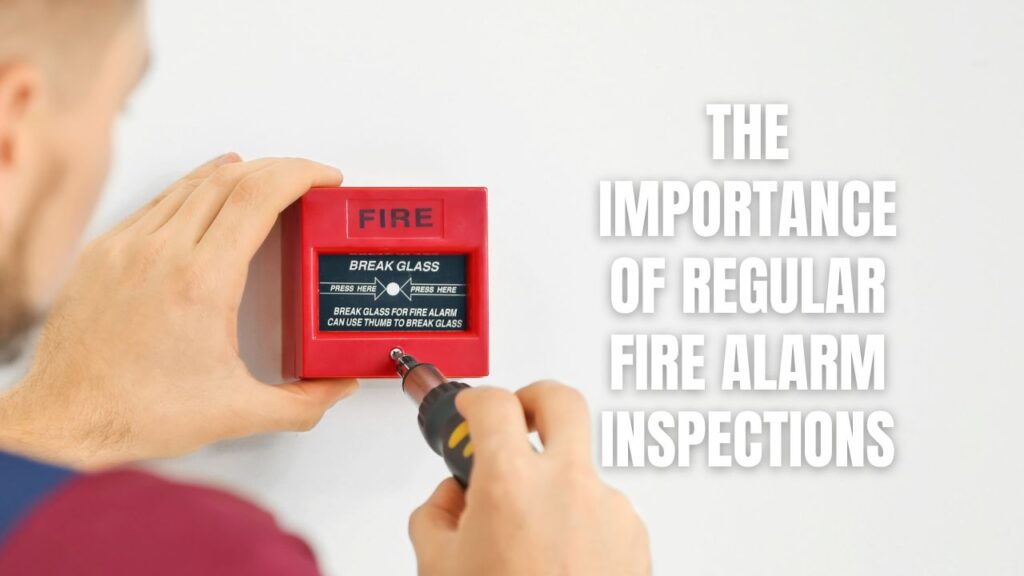
Regular fire alarm inspections save lives, protect property, and keep buildings compliant with safety laws. We rely on these routine checkups to ensure our fire detection systems work flawlessly when emergencies strike, giving everyone inside precious time to evacuate safely.
Fire alarm inspections aren’t just about ticking boxes on a compliance checklist. When we maintain these systems properly, we create safer environments for families, employees, customers, and visitors. Think about it: a fire alarm that doesn’t work when flames erupt is practically useless. We need to know our safety equipment will perform exactly when we need it most. Through regular testing and maintenance, we verify that smoke detectors, control panels, sirens, and every other component stands ready to alert us at the first sign of danger. These inspections catch small problems before they become life-threatening failures, reduce false alarms that waste everyone’s time, and demonstrate our commitment to protecting the people who count on us.
Key Takeaways:
- Life-saving reliability: Working fire alarms reduce home fire deaths by 54% compared to homes without functioning systems
- Legal requirements: Fire codes mandate specific inspection frequencies, with penalties for non-compliance
- Component monitoring: Batteries, sensors, and wiring deteriorate over time and need regular testing
- False alarm prevention: Proper maintenance dramatically cuts down on unnecessary evacuations and emergency calls
- Financial protection: Regular inspections cost far less than property damage, fines, or insurance complications
- Documentation requirements: We must keep detailed records of all tests and maintenance activities
- Peace of mind: Knowing our systems work properly helps everyone sleep better at night

Why We Can’t Skip Fire Alarm System Checkups
Protecting Lives Through Early Warning
Our fire alarm systems serve one critical purpose: detecting fires early and alerting everyone to get out fast. We’ve seen the statistics, and they’re eye-opening. Homes with working smoke alarms cut the risk of fire deaths by more than half. That’s huge. From 2012 to 2016, nearly 59% of home fire deaths happened in places where alarms either didn’t exist or weren’t working. When smoke alarms actually function during fires big enough to set them off, they work correctly 88% of the time.
Those extra minutes matter more than most people realize. Early detection gives families time to grab kids, help elderly relatives, and exit safely. It also means firefighters arrive while the blaze is still manageable, limiting how far flames spread and how much damage occurs. We’re talking about the difference between a kitchen fire that stays contained and one that destroys an entire building.
Meeting Legal Standards and Avoiding Penalties
Fire alarm inspection requirements aren’t suggestions—they’re the law in most places. The National Fire Protection Association publishes NFPA 72, which spells out exactly how often we need to test different system components. Building owners and facility managers who ignore these standards face serious consequences. We’re talking fines, citations, potential business shutdowns, and increased liability if something goes wrong.
Insurance companies pay attention too. They want proof we’re maintaining our systems according to code. Without proper documentation, we risk coverage denials when we need claims paid. Smart property owners keep meticulous records of every inspection, test, and repair. These records protect us during audits and show fire marshals we’re doing things right.
Understanding Fire Alarm System Components
What Makes Up a Complete System
Fire detection systems contain multiple parts working together. We’ve got smoke detectors that sense particles in the air, heat sensors that respond to temperature changes, control panels that process signals, and notification devices like sirens and strobe lights. Each component plays a specific role in the overall safety network.
Modern systems often include:
- Smoke detectors: Ionization and photoelectric types that catch different fire characteristics
- Heat detectors: Backup sensors for areas where smoke detection isn’t practical
- Control panels: The system’s brain that monitors everything and triggers alerts
- Notification devices: Sirens, bells, horns, and visual strobes for different alert needs
- Power supplies: Primary electrical connections plus battery backups
- Wiring and connections: The network linking all components together
Common Failure Points We Must Monitor
Fire alarm components don’t last forever. We’ve identified several common issues that cause system failures. Battery problems top the list—missing batteries, dead batteries, disconnected batteries, or corroded battery terminals account for most smoke alarm failures. We can’t stress this enough: batteries need regular checking and replacement.
Other frequent culprits include dust and debris buildup on sensors, which makes detectors less sensitive or triggers false alarms. Wiring breaks down from age, pests, or environmental damage. Control panels experience electronic component failure. Temperature extremes and humidity cause sensor degradation over time. Regular inspections catch these problems before they compromise our safety.
Fire Alarm Inspection Schedules That Keep Us Safe
Monthly Visual Checks
We conduct monthly walk-throughs to verify that alarm devices look intact and haven’t been damaged or tampered with. Trained staff check indicator lights on control panels, make sure nothing blocks detectors, and verify that manual pull stations remain accessible. These quick visual inspections take minimal time but catch obvious problems fast.
Quarterly Component Testing
Every three months, we test specific components to ensure they respond correctly. This includes checking power supplies, verifying communication between devices, and testing backup systems. Quarterly testing catches intermittent issues that might not show up during monthly visuals.
Semi-Annual Battery and Detector Evaluations
Twice yearly, we focus specifically on power sources and detection devices. We test battery voltage, verify backup power activates properly, and conduct sensitivity tests on smoke and heat detectors. This prevents the most common failure mode—power problems that leave systems inoperable during emergencies.
Annual Comprehensive Inspections
Once per year, licensed fire protection technicians perform complete functional tests. They verify every single component, simulate fire conditions, test all notification devices, check wiring integrity, and document system performance. This thorough examination provides confidence that our entire setup works as designed.
| Inspection Type | Frequency | Key Focus Areas | Who Performs It |
|---|---|---|---|
| Visual Check | Monthly | Damage, obstructions, indicator lights | Trained staff |
| Component Testing | Quarterly | Power, communication, backup systems | Trained staff |
| Battery & Detector Tests | Semi-Annual | Power sources, sensor sensitivity | Technicians |
| Full Functional Test | Annual | Complete system verification | Licensed professionals |
How Regular Maintenance Prevents False Alarms
The Real Cost of Crying Wolf
False alarms create headaches for everyone. Businesses lose productivity when employees evacuate unnecessarily. Tenants get frustrated with repeated disruptions. Fire departments waste resources responding to non-emergencies. Over time, people stop taking alarms seriously, which becomes genuinely dangerous. We’ve seen situations where occupants ignore actual fires because they assume it’s another false alarm.
The financial hit hurts too. Building owners collectively pay over $100 million annually for false alarm problems. Many jurisdictions charge penalty fees that increase with each false alarm. First offense might cost $50, but the fifth false alarm in a year could run $500 or more. We avoid these expenses through proper maintenance.
Maintenance Steps That Reduce False Triggers
Regular cleaning makes a huge difference. Dust accumulation on smoke detectors causes sensitivity problems that trigger false alarms. We clean detector covers and sensors according to manufacturer specifications. Replacing aging components prevents malfunctions. Adjusting sensitivity settings for specific environments reduces inappropriate activations. Proper maintenance directly translates to fewer false alarms and maintained system credibility.
Financial Benefits of Proactive Fire Alarm Care
Comparing Inspection Costs to Failure Costs
We spend modest amounts on regular inspections—typically a few hundred to a few thousand dollars annually depending on building size and system complexity. Skipping these inspections seems like saving money until something goes wrong. Undetected failures lead to property damage potentially worth millions. Business interruptions cost revenue and customer trust. Emergency repairs during crises cost far more than scheduled maintenance. Legal liability from injuries or deaths creates astronomical expenses.
Smart property management recognizes that inspection costs represent insurance against catastrophic losses. We document our diligence, which significantly reduces liability exposure if fires occur despite our best efforts. Courts and insurance companies look favorably on property owners who demonstrate consistent safety prioritization.
Insurance Requirements and Coverage Protection
Insurance policies frequently mandate compliance with fire safety codes. Carriers want proof we’re inspecting and maintaining systems according to NFPA standards. Without documentation, we risk coverage denials or policy cancellations. Regular inspections generate the paperwork insurers require, protecting our investment in coverage premiums.
Hardwired Systems Versus Battery-Powered Alarms
Performance Differences That Matter
The data shows clear distinctions between system types. Hardwired smoke alarms with battery backup operate correctly 94% of the time when present and functioning. Battery-only powered alarms work just 81% of the time. That 13-percentage-point difference represents real lives saved or lost.
Hardwired systems offer superior reliability because they draw continuous power from building electrical systems. Battery backups activate during power outages, providing redundant protection. Battery-only alarms depend entirely on residents remembering to replace batteries—something many people forget. For commercial buildings, hardwired systems with professional monitoring provide the highest safety level.
Technological Improvements in Fire Detection
Newer Detection Methods We Should Consider
Fire safety technology keeps advancing. Modern systems offer improved sensitivity, reduced false alarms, and smarter detection algorithms. Photoelectric sensors better detect smoldering fires. Multi-criteria detectors analyze multiple indicators before triggering alarms. Wireless systems simplify installation in existing buildings. Smart home integration provides remote monitoring and automatic emergency notifications.
During annual inspections, professional technicians can recommend upgrades that improve safety without complete system replacement. We might add heat detectors in kitchens where smoke detectors cause false alarms. Upgrading notification devices ensures everyone hears alerts regardless of hearing ability. These incremental improvements make our systems more effective.
Documentation Requirements We Need to Follow
Records That Demonstrate Compliance
Fire marshals, insurance adjusters, and auditors expect detailed documentation. We maintain logs showing:
- Date and time of each inspection
- Technician names and certification numbers
- Specific components tested
- Test results and pass/fail status
- Repairs or replacements performed
- Follow-up actions required
- Next scheduled inspection date
Digital record-keeping systems help us organize this information and retrieve it quickly when needed. Proper documentation proves our commitment to safety and protects us legally.
Who Should Perform Fire Alarm Inspections
Trained Staff Versus Licensed Professionals
Monthly and quarterly inspections can be handled by trained building staff who understand what to look for. These folks need proper instruction on visual checks, indicator light meanings, and basic testing procedures. Semi-annual and annual inspections require licensed fire protection technicians who possess specialized knowledge, testing equipment, and certification to verify code compliance.
We never cut corners by using unqualified personnel for comprehensive inspections. Licensed professionals carry insurance, understand current codes, and spot issues that untrained eyes miss. Their expertise provides confidence that our systems truly protect occupants.
Additional Fire Safety Considerations
Integration With Broader Safety Programs
Fire alarm systems represent just one element of comprehensive fire safety. We also need proper fire extinguisher placement and maintenance, clear evacuation routes and signage, regular fire drills, employee training on emergency procedures, and sprinkler system maintenance. These components work together to protect lives and property.
Special Considerations for Different Building Types
Residential properties, commercial offices, industrial facilities, healthcare institutions, and educational buildings each face unique fire safety challenges. We tailor inspection approaches to specific occupancy types, considering factors like occupant mobility, flammable materials present, building size and complexity, and local code requirements for particular facility types.
Frequently Asked Questions About Fire Alarm Inspections
How often do fire alarms need professional inspection?
Fire alarm systems require comprehensive professional inspection annually at minimum, with additional monthly, quarterly, and semi-annual testing of specific components. NFPA 72 establishes these frequencies to ensure continuous reliability. Some jurisdictions mandate more frequent inspections for certain building types like hospitals or high-occupancy structures.
What happens if we skip fire alarm inspections?
Skipping inspections creates multiple problems. We face potential fines and penalties from fire marshals, increased liability if fires occur, insurance coverage complications or denials, system failures that endanger occupants, and possible business closure orders for non-compliance. The risks far outweigh any short-term cost savings from avoiding inspections.
Can building maintenance staff perform fire alarm inspections?
Trained building staff can handle routine monthly visual checks and some quarterly testing. However, semi-annual battery and detector tests and annual comprehensive functional inspections must be performed by licensed fire protection technicians who possess proper certifications, testing equipment, and code knowledge. We use both internal staff and licensed professionals appropriately.
How much do fire alarm inspections typically cost?
Costs vary based on building size, system complexity, and location. Small residential buildings might pay $100-300 for annual inspections. Large commercial facilities could spend several thousand dollars annually. These costs represent small fractions of potential losses from system failures, false alarm penalties, or fire damage. We budget for inspections as essential safety investments.
What should we do if our fire alarm fails inspection?
When inspections reveal problems, we must address them immediately. Licensed technicians identify specific issues, provide repair estimates, and explain urgency levels. Critical failures affecting life safety require immediate correction before re-occupying affected areas. Less critical issues need remediation within specified timeframes. We schedule re-inspections to verify repairs restored full functionality.
Keeping Our Communities Safe Through Vigilant Fire Alarm Maintenance
Regular fire alarm inspections represent our commitment to protecting everyone who enters our buildings. We’ve examined the compelling evidence: working alarms cut fire deaths by more than half, early detection provides crucial evacuation time, and proper maintenance prevents the false alarms that breed dangerous complacency. The legal requirements exist for good reasons—they reflect decades of fire safety research and real-world experience.
We understand that inspection costs, scheduling requirements, and documentation demands might seem burdensome. However, these modest investments pale compared to the value of lives protected and property preserved. Every inspection catches potential failures before they become tragedies. Every maintenance activity extends system reliability. Every document we file demonstrates our dedication to safety.
The families living in our residential properties, the employees working in our offices, the customers visiting our businesses, and the patients depending on our healthcare facilities all trust us to maintain working fire protection systems. We honor that trust through regular inspections, prompt repairs, thorough documentation, and continuous improvement. Fire safety technology keeps advancing, and we stay current with these improvements to provide the best protection possible.
Our fire alarm systems stand ready to perform their life-saving function because we refuse to treat inspections as optional. We’ve built safety cultures where everyone understands that functioning fire alarms represent non-negotiable baseline protection. When we hear those alarms during actual emergencies, we’ll know they’re working precisely because we invested in regular inspections. That confidence makes every inspection dollar and every maintenance hour worthwhile. We keep our communities safe by staying vigilant about fire alarm system maintenance, and we wouldn’t have it any other way.
For more information on fire alarm inspections and to schedule your next inspection, please contact Callaway Security™. Our licensed technicians and electricians are ready to assist you in ensuring the ongoing reliability and compliance of your fire protection system.