The fastest way to secure a sliding door is to combine three things: a strong secondary lock, a physical track blocker, and shatter-resistant glass film. Together, these three fixes block the three most common ways burglars break in — sliding, lifting, and smashing.
Sliding doors are great for light and views. But that same open design can make them a weak point in your home’s defense. The factory lock on most patio doors is thin and easy to force. The door can often be lifted right off its track. And the glass, no matter how sturdy it looks, can be broken in seconds. The good news? We can fix all of that without replacing the whole door. A few smart upgrades go a long way, and none of them require major renovation.
Key Takeaways:
- Add a track bar or dowel so the door can’t slide open even if the lock fails.
- Install a security pin or secondary lock to stop the panel from being pried or lifted out.
- Use shatter-resistant film to slow down glass breakage and make it noisier.
- Upgrade the factory latch if it feels loose, thin, or flimsy.
- Add anti-lift devices to stop the door from being lifted off the rail.
- Keep the track clean so the rollers work right and the lock stays tight.
- Pair hardware with a monitored alarm for a second layer of protection.

Straight From a Burglar’s Mouth
Nobody knows a sliding door’s weak spots better than the people who’ve broken through them. A local news team once sat down with dozens of convicted burglars to ask exactly what they look for before targeting a house, and sliding doors came up again and again as an easy way in. Their reasoning lines up with everything above: a flimsy latch, a door that lifts out of its track, and a big pane of glass that’s simple to break through.
The takeaway is simple: burglars look for the path of least resistance. A locked, reinforced sliding door with visible security hardware sends them looking elsewhere.
For a firsthand look at how burglars think, this video features convicted burglars explaining exactly what draws them to a home.
Why Sliding Doors Need Extra Attention
Sliding doors face three main attack methods: sliding the panel open, lifting it off the track, or breaking the glass. Each one needs its own fix, which is why one lock alone is never enough.
The Sliding Problem
Most sliding doors lock with a simple latch that clips into the frame. That latch flexes under pressure, and a firm jiggle or a flat tool can pop it open in seconds. This is the most common entry point on older doors.
The Lifting Problem
Here’s something a lot of homeowners don’t know: many sliding doors can be lifted straight up and out of the track, latch and all. If the door has some wiggle room at the top, it’s vulnerable to this trick.
The Glass Problem
Glass is glass. Even tempered glass shatters with enough force. A determined intruder can break the pane and reach in to unlock the door, bypassing the latch completely.
Practical Upgrades That Actually Work
These fixes are simple, affordable, and most take under an hour to install.
| Upgrade | What It Stops | Cost Level |
|---|---|---|
| Track bar or dowel | Sliding open | Low |
| Security pin or secondary lock | Prying or lifting out | Low–Medium |
| Shatter-resistant film | Smash-and-grab entry | Medium |
| Upgraded factory latch | Weak or loose locks | Low |
Track Bar or Wood Dowel
A track bar (or even a cut-to-fit wood dowel) sits in the bottom track after the door is closed. It physically blocks the door from sliding, even if the latch is defeated. It’s one of the cheapest fixes out there — a broom handle cut to size works in a pinch. Just know it won’t stop someone who breaks the glass and reaches in to pull it out, so pair it with other upgrades below.
Security Pin or Secondary Lock
A pin lock adds a second point of security. You drill a small, angled hole through the frame and slide in a removable pin, usually a hardened steel bolt. With the pin in place, the door won’t budge, even if the factory latch completely fails. For extra strength, a surface-mounted secondary deadbolt engages the door panel itself instead of just the track.
Shatter-Resistant Security Film
Security film is a clear layer applied to the glass. It doesn’t make the glass unbreakable, but it holds shattered pieces together and slows down anyone trying to break through cleanly. That extra time and noise is often enough to make an intruder give up and move on.
Upgrade the Factory Latch
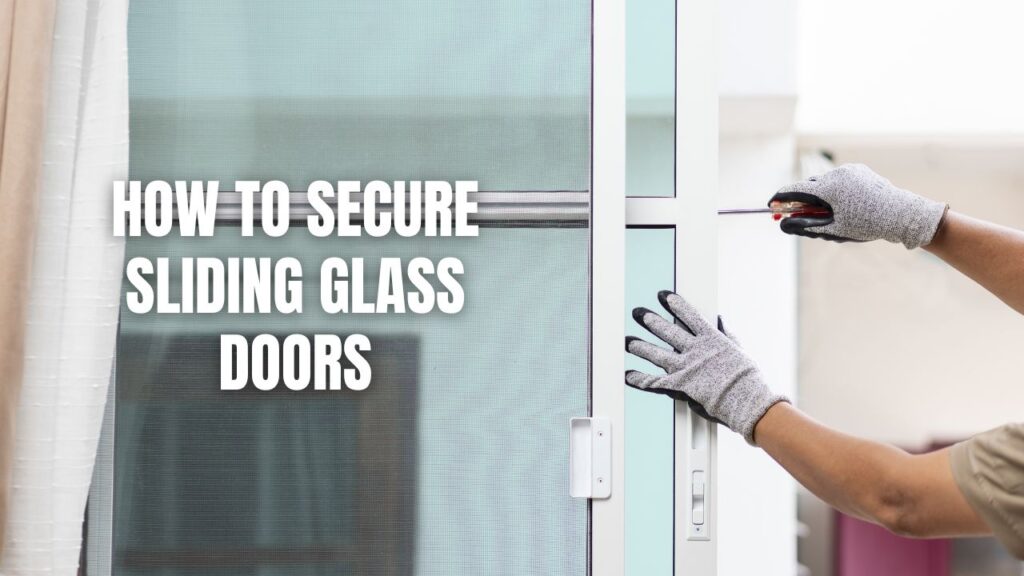
If your current latch feels loose or wobbly, it’s worth swapping it for a stronger patio-door lock set. A locksmith can also adjust the strike plate position with a small screwdriver, turning the screw above the latch to test which position locks the most securely.
Extra Hardening Steps
Once the basics are covered, a few extra steps close the remaining gaps.
- Anti-lift devices or track stops keep the door from being lifted off the rail from outside. A quick trick from the trade: adding small screws with washers stacked on top into the upper track limits how far the door can lift, closing off the lifting attack.
- Clean and align the track. A misaligned door with worn rollers can sag, creating extra gap at the top that makes lifting easier. Adjusting the rollers so the door sits tighter in the frame closes this gap fast.
- Add a monitored alarm or glass-break sensor near the door. Even the best lock benefits from a backup that alerts you the moment something’s wrong. A security camera near the door adds visual confirmation too.
The Best Setup for Most Homes
For the strongest protection, combine four things: a secondary lock, a track bar, security film, and an alarm sensor. This combo covers sliding, lifting, and glass breakage all at once, which are the three most common ways sliding doors get compromised. No single fix does it all, but together they cover nearly every angle.
If you want it done right the first time, professional installation makes sure every piece is aligned, tested, and working together instead of just bolted on.
Frequently Asked Questions
Is a wood dowel enough to secure a sliding door?
A dowel or track bar stops the door from sliding open, but it won’t stop someone who breaks the glass to reach in. Use it alongside security film and a secondary lock for full coverage.
Can burglars really lift a sliding door off its track?
Yes. Many sliding doors have enough gap at the top to be lifted free of the lower track, even with the latch engaged. Anti-lift screws or brackets close this gap.
Do I need to replace my whole door to make it secure?
No. Most upgrades, like a track bar, pin lock, or security film, install directly onto your existing door. A full replacement is rarely needed.
What’s the cheapest way to secure a sliding door?
A cut-to-fit wood dowel in the track is the lowest-cost option. It’s a smart starting point, but it works best paired with a lock upgrade over time.
Should I add an alarm sensor even if I already have a lock and bar?
Yes. Physical locks slow an intruder down, but a monitored alarm alerts you and emergency responders right away, which locks alone can’t do.
Securing Your Sliding Doors for Good
A secure sliding door doesn’t need a full overhaul, just the right combination of upgrades. A track bar, a secondary lock, security film, and a monitored sensor together cover the most common ways these doors get compromised. Small, affordable changes like these make a real difference in keeping your home safe.
Ready to lock things down the right way? Callaway Security & Sound can walk your home, recommend the right mix of hardware and monitoring for your sliding doors, and handle the installation for you. Get in touch with our team today to get started.