Getting locked outside your home happens to everyone at some point, and we understand how frustrating and stressful this situation can be. The best approach when you’re locked out of your house is to stay calm, check for alternative entry points like unlocked doors or windows, contact someone with a spare key, and call a professional locksmith if other options don’t work.
When we find ourselves in a house lockout situation, our first instinct might be panic, but taking a step back and following proven strategies will get us back inside safely and efficiently. From checking obvious entry points to knowing when to call emergency services, we’ll walk you through every option available when you’re stuck outside your own home.
Key Takeaways:
• Stay calm and assess your safety – Don’t panic or attempt dangerous entry methods
• Check all doors and accessible windows – Many homes have at least one unlocked entry point
• Contact people with spare keys – Family members, neighbors, or landlords often have backup keys
• Call a professional locksmith – The safest and most reliable solution for secure entry
• Know when to contact emergency services – If children, pets, or emergencies are involved
• Prevent future lockouts – Install keyless entry systems or hide secure spare keys
• Avoid forced entry attempts – Breaking in can cause expensive damage and legal issues

Immediate Steps When You’re Locked Out
Stay Calm and Assess Your Situation
When we’re locked outside our house, the first thing we need to do is take a deep breath and assess what’s happening around us. Are we safe where we’re standing? Is it daytime or nighttime? Do we have our phone with us? These basic questions help us figure out our next move without making hasty decisions that could make things worse.
If we’re in an unsafe neighborhood or it’s late at night, our priority shifts to finding a secure location while we work on getting back inside. We might want to go to a nearby store, restaurant, or well-lit public area where we can safely make phone calls and wait for help.
Weather conditions also matter when we’re stuck outside. If it’s extremely hot, cold, or stormy, we need to factor this into our timeline for getting back inside. Sometimes waiting an hour for a family member isn’t realistic if we’re dealing with harsh weather conditions.
Check All Entry Points Around Your Home
Before we start calling people or spending money on a locksmith, we should walk around our entire house or apartment to check every possible way in. We’d be surprised how often we find an unlocked door or window that we forgot about.
Start with the obvious places – try the back door, side doors, garage entrances, and any sliding patio doors. Sometimes we remember to lock the front door but forget about other entrances. If we live in a house, check basement doors or any entrance that connects to an attached garage.
Windows on the ground floor are worth checking too, especially if we know we left any open for ventilation. However, we should only attempt to enter through windows that are easily accessible and safe to climb through. We don’t want to risk injury or damage to our property by attempting dangerous maneuvers.
Getting Help From Others
Contact Family Members and Trusted Neighbors
Our next step involves reaching out to people who might have spare keys to our home. If we live with family members, roommates, or partners, they’re obviously our first call. Even if they’re at work or across town, they might be able to come home to let us in.
Trusted neighbors often make great backup options, especially if we’ve exchanged spare keys with them in the past. Many of us have these arrangements without thinking about them until we actually need help. Don’t hesitate to knock on doors or make phone calls – most neighbors understand that lockout emergencies happen and are willing to help.
If we’re renting our home or apartment, our landlord or property management company should have master keys. They might charge a small fee for emergency lockout service, but it’s usually much cheaper than calling a locksmith. Keep their contact information handy in your phone for situations exactly like this.
When to Call Emergency Services
Sometimes our lockout situation involves more than just inconvenience. If we have small children locked inside the house, pets in distress, or anyone with medical conditions who needs immediate attention, we should call emergency services right away.
The fire department often helps with lockout emergencies when safety is a concern. They have tools and training to gain entry quickly without causing unnecessary damage to our property. Police can also assist in genuine emergency situations, though they typically refer non-emergency lockouts to professional locksmiths.
We should be clear about the emergency nature of our situation when calling 911. Explain if there are children inside, if someone needs medical attention, or if there are safety concerns that make waiting dangerous. Emergency responders prioritize these calls differently than simple convenience lockouts.
Professional Locksmith Services
Finding and Hiring a Reputable Locksmith
When other options don’t work out, calling a professional locksmith becomes our best bet for getting back inside safely. The trick is finding a legitimate, trustworthy locksmith who won’t overcharge us or damage our property in the process.
We recommend searching online for local locksmiths with good reviews and proper licensing. Many legitimate locksmith companies offer 24/7 emergency services, though nighttime and weekend calls typically cost more. Get quotes from multiple companies if time allows, and always ask for identification when the locksmith arrives.
Red flags include locksmiths who quote extremely low prices over the phone, can’t provide a business address, or demand large cash payments upfront. Legitimate professionals will give you reasonable estimates, show proper credentials, and explain their process before starting work.
What to Expect During Locksmith Service
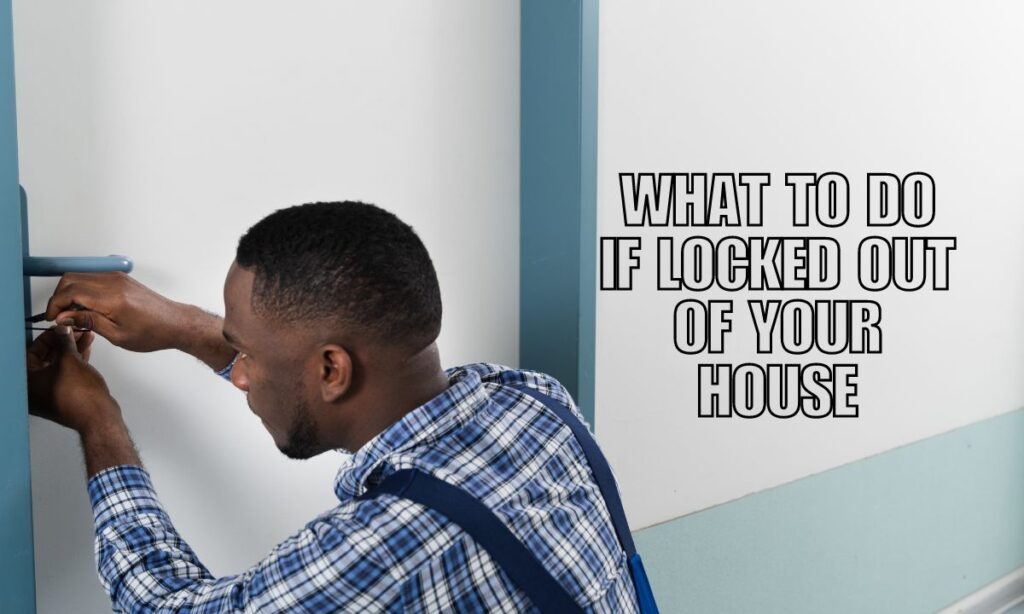
Professional locksmiths have specialized tools that can open most residential locks without damaging them. The process usually takes anywhere from a few minutes to half an hour, depending on the type of lock and security features on our door.
Most residential door locks can be picked or bumped open by experienced locksmiths. However, high-security locks, smart locks, or deadbolts might require drilling, which means we’ll need to replace the lock afterward. The locksmith should explain these possibilities before starting work.
Costs for emergency lockout service typically range from $75 to $200, depending on our location, time of day, and complexity of the job. Weekend and after-hours calls cost more, and if lock replacement becomes necessary, that’s an additional expense we should factor in.
Alternative Entry Methods and Safety Considerations
Safe DIY Options That Won’t Damage Property
If we’re handy and patient, there are a few safe methods we can try before calling professionals. Credit card entry works on some older doors with simple spring-loaded locks, though modern deadbolts and security locks won’t respond to this technique.
Lock picking sounds complicated, but basic pin tumbler locks can sometimes be opened with improvised tools if we have the patience to learn. However, we should only attempt this on our own property, and we need to be prepared for the possibility of damaging the lock mechanism.
Removing door hinges might work if our door opens outward and the hinges are accessible from outside. This requires basic tools and some mechanical knowledge, but it’s often easier than trying to pick the actual lock. Just remember that we’ll need to properly reinstall everything afterward.
What Methods to Avoid Completely
Breaking windows might seem like a quick solution, but replacement costs often exceed what we’d pay a locksmith. Plus, we risk serious injury from broken glass, and neighbors might call police if they see us breaking into what appears to be someone else’s property.
Forcing doors open by kicking or prying usually causes expensive damage to door frames, locks, and sometimes the door itself. Even if we manage to get inside, repair costs can run into hundreds of dollars, and we might compromise our home’s security until fixes are completed.
Climbing to upper-story windows or attempting to enter through skylights puts us at serious risk of injury. Falls from heights can cause permanent disability or death, making these methods completely inappropriate for simple lockout situations.
Technology Solutions and Smart Home Integration
Keyless Entry Systems and Smart Locks
Installing keyless entry systems eliminates most future lockout scenarios entirely. Smart locks allow us to unlock our doors using smartphones, key codes, or even biometric scanners, meaning we’ll never be locked out as long as we have our phone or remember our code.
Many smart lock systems send notifications when doors are unlocked, let us grant temporary access to visitors, and maintain logs of who enters our home and when. These features provide security benefits beyond just preventing lockouts.
Popular options include combination locks with physical keypads, Bluetooth-enabled locks that work with smartphone apps, and Wi-Fi connected systems that we can control remotely from anywhere. Installation is usually straightforward enough for DIY projects, though complex systems might require professional setup.
Remote Access and Backup Solutions
Modern smart home technology offers several backup options for getting into our homes remotely. Some systems allow us to unlock doors using smartphone apps from anywhere with internet access, while others integrate with home automation platforms that we can control through voice assistants or computer interfaces.
Backup codes and temporary access features mean we can help family members, roommates, or service providers get inside even when we’re not home. These systems often include multiple redundant entry methods, so if one fails, others remain available.
Cloud-based access logs help us monitor who enters our home and when, providing security benefits alongside convenience. If we suspect unauthorized entry attempts, we can review these logs and adjust access permissions accordingly.
Prevention Strategies for Future Lockouts
Hiding Spare Keys Safely and Effectively
Traditional hiding spots like fake rocks, door mats, and flower pots are the first places burglars look, making them poor choices for spare key storage. Instead, we should consider less obvious locations that provide weather protection while remaining accessible during emergencies.
Magnetic lock boxes designed for vehicles can be attached to metal surfaces around our home’s exterior, though they should be placed in inconspicuous locations that aren’t visible from the street. Some homeowners install small lock boxes specifically designed for spare keys in discrete locations near their entrances.
The best hiding spots balance accessibility with security – we need to reach them during emergencies, but they shouldn’t be obvious to anyone else. Consider locations that require some knowledge of our property layout or habits to find, rather than obvious hiding spots that anyone might check.
Building a Support Network
Exchanging spare keys with trusted neighbors creates mutual backup systems that benefit everyone involved. We can help each other during lockout emergencies, vacation house-sitting, or other situations where access becomes necessary.
Family members, close friends, and even coworkers who live nearby can serve as emergency contacts for lockout situations. The key is establishing these arrangements before we need them, not trying to figure out who to call while we’re standing outside our locked door.
Some communities have informal networks where neighbors help each other with various emergencies, including lockouts. Getting to know the people who live around us creates social connections that prove valuable in unexpected situations.
Special Circumstances and Complex Situations
Apartment and Rental Property Considerations
Renters face different challenges during lockout situations compared to homeowners. We typically can’t modify locks, hide spare keys in permanent locations, or use some DIY entry methods without risking lease violations or security deposit forfeitures.
Most apartment complexes and rental properties have management offices or maintenance staff who can help with lockouts during business hours. After-hours situations might require calling emergency maintenance numbers, though some companies charge fees for this service.
Roommate situations add complexity since we need to coordinate spare key arrangements with people who might have different schedules, security preferences, or living arrangements. Clear communication about lockout procedures helps everyone know what to do when these situations arise.
Dealing with Advanced Security Systems
Homes with sophisticated security systems, multiple deadbolts, or reinforced doors present unique challenges during lockout situations. Standard locksmith techniques might not work on high-security locks, and forced entry attempts could trigger alarm systems that bring unwanted attention from security companies or law enforcement.
Smart home security systems often include lockout features, but they might also complicate entry if we don’t have our phones or remember access codes. Understanding how our security systems work during normal operations helps us plan for emergency situations.
Some high-end security systems require special procedures to disable them safely, and improper attempts to bypass these systems could cause expensive damage or false alarm fees. When in doubt, contacting the security system company might be necessary before attempting entry.
Cost Considerations and Budgeting
Comparing Different Solution Costs
Emergency locksmith services typically cost between $75-200, but prices vary significantly based on location, time of day, and lock complexity. Getting quotes from multiple companies helps us understand local pricing, though emergency situations might not allow time for extensive shopping around.
DIY solutions might seem free, but property damage from failed attempts can cost much more than professional help. Broken windows, damaged door frames, or ruined locks create expenses that often exceed what we’d pay for proper locksmith services.
Prevention investments like spare key arrangements, keyless entry systems, or smart locks have upfront costs but eliminate future lockout expenses entirely. When we calculate the long-term value, these solutions often pay for themselves after just a few emergency service calls.
Insurance and Warranty Considerations
Some homeowner’s insurance policies cover locksmith services under emergency assistance benefits, though coverage varies significantly between companies and policy types. Check with your insurance provider to understand what lockout situations might be covered and how to file claims properly.
Home warranty programs sometimes include lockout assistance as part of their emergency services coverage. These programs typically have annual fees but might provide cost savings if we experience multiple home-related emergencies throughout the year.
Renters insurance policies might include lockout assistance or temporary lodging coverage if we can’t access our homes for extended periods. Understanding our coverage helps us make informed decisions about whether to pay for immediate professional help or wait for other solutions.
Frequently Asked Questions
Can Police Help If We’re Locked Out Of Our House?
Police typically only assist with lockout situations when legitimate emergencies exist, such as children trapped inside, medical emergencies, or immediate safety concerns. For routine lockouts, they usually refer people to professional locksmith services rather than providing direct assistance.
Non-emergency lockout situations aren’t generally considered police matters since they don’t involve criminal activity or immediate danger. However, officers might help verify our identity and residency if locksmiths have questions about whether we actually live at the property in question.
How Long Does It Take A Locksmith To Open Our Door?
Professional locksmiths can usually open standard residential locks within 5-30 minutes, depending on lock type and complexity. Simple spring-loaded locks open quickly, while deadbolts, high-security locks, or smart lock systems might require more time and specialized techniques.
Complex situations involving multiple locks, security systems, or unusual door configurations could take longer. The locksmith should provide time estimates before starting work, though they can’t always predict exactly how long each job will take.
What If We Have Pets Or Children Inside?
Situations involving children or pets locked inside transform routine lockouts into potential emergencies requiring immediate attention. Contact emergency services if anyone inside needs immediate help, has medical conditions, or if environmental factors create safety concerns.
Fire departments often respond to these calls quickly since they have specialized tools and training for emergency entry. Don’t hesitate to call 911 if you genuinely believe someone inside is in danger or distress.
Should We Try To Pick The Lock Ourselves?
Lock picking requires specific tools, techniques, and patience that most people don’t possess. While it’s legal to pick locks on property we own, unsuccessful attempts often damage lock mechanisms, creating additional expenses beyond what we’d pay for professional help.
Simple locks might respond to basic techniques, but modern security features make DIY picking increasingly difficult. We risk damaging our locks, doors, or security systems by attempting methods we don’t fully understand.
How Can We Prevent Future Lockout Situations?
Installing keyless entry systems, hiding spare keys securely, and building support networks with neighbors or family members creates multiple backup options for future emergencies. The key is implementing these solutions before we need them, not after we’re already locked out.
Smart locks, combination keypads, and smartphone-controlled systems eliminate traditional key-based lockouts entirely. While these solutions require upfront investments, they provide long-term convenience and eliminate most lockout scenarios completely.
Getting Back Inside: Your Path Forward
Being locked out of our house doesn’t have to ruin our day or break our budget. By staying calm, checking obvious entry points, and knowing when to call for help, we can resolve most lockout situations quickly and safely. The key is having a plan before we need it and understanding our options when emergency situations arise.
Remember that professional help exists for a reason – locksmiths have the tools, training, and experience to get us back inside without causing damage or compromising our home’s security. While DIY methods might work sometimes, they’re not worth the risk when safe, affordable professional options are available.
Most importantly, we can prevent future lockouts entirely by implementing smart solutions like keyless entry systems, secure spare key arrangements, or building support networks with people we trust. A little preparation now saves us from stress, expense, and inconvenience later when we’re standing outside our locked door wondering what went wrong.
Take action today by evaluating your current situation and implementing at least one backup plan for future lockout scenarios. Whether that’s exchanging spare keys with a neighbor, installing a smart lock, or simply programming your local locksmith’s number into your phone, having options available makes all the difference when we need them most. and smart locks, can save you from future headaches. Stay prepared, and you’ll never have to worry about being locked out again!
If you want to enhance your home security, Callaway Security™ is here to assist you. Contact us today to learn more about our home security systems Atlanta company.