Someone Knocked At the Door, What Should I Do?

Someone Knocked on the Door

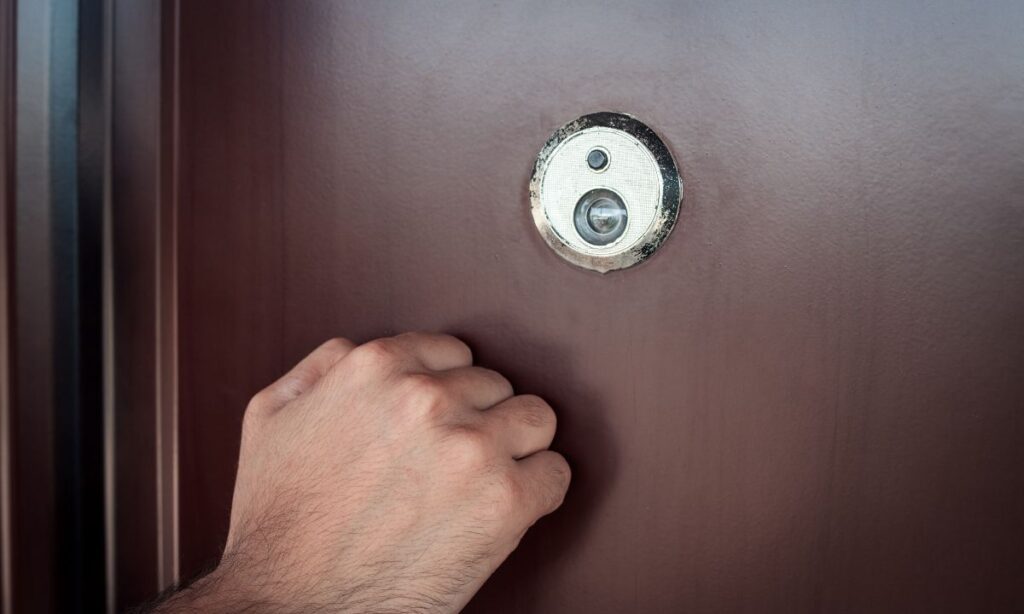
When someone knocks at your door unexpectedly, we should stay calm and follow a simple safety protocol: keep the door locked, identify who’s outside using a peephole or doorbell camera, communicate through the closed door, and only open it if we’re confident about the visitor’s identity and intentions.

We’ve all been there—relaxing at home when suddenly we hear that unexpected knock that makes us freeze for a second. Maybe we’re not expecting anyone, or it’s an odd hour, or something just feels off about the situation. Our homes represent our safe spaces, and deciding how to handle an unexpected visitor isn’t always straightforward. We need to balance being neighborly and helpful with protecting ourselves and our families from potential threats like burglars, scammers, or other unwelcome situations.

The reality is that criminals often use door knocking as a tactic to scope out homes, test if anyone’s around, or create opportunities for break-ins. At the same time, it could genuinely be a neighbor needing help, a delivery person, or someone with legitimate business. Learning how to respond properly gives us confidence and keeps everyone in our household safer.

Key Takeaways:

  • Always verify your door is locked before doing anything else when you hear knocking
  • Never open the door immediately—use peepholes, windows, or video doorbells to identify visitors first
  • Communicate through the closed door rather than opening it for strangers
  • Make noise to signal you’re home instead of staying silent, which can actually invite break-ins
  • Trust your gut feelings—if something feels wrong about a visitor, call the police
  • Watch for common scam tactics like claims of car trouble, injuries, or unscheduled service visits
  • Install security upgrades like video doorbells and reinforced locks for long-term protection
Callaway security™ ad

Understanding Why People Knock at Your Door

Legitimate Reasons for Door Knocking

We encounter various legitimate reasons why someone might show up at our door. Delivery drivers bring packages throughout the day, neighbors might need to borrow something or inform us about an issue affecting our property, and friends or family could stop by for visits. Service professionals like meter readers occasionally need access to equipment, though they should typically call ahead. Local political campaigns and religious groups also go door-to-door, especially during election seasons.

Understanding these normal scenarios helps us distinguish between routine visits and potentially suspicious ones. The key difference usually comes down to timing, behavior, and whether we’re expecting anyone.

How Criminals Use Door Knocking

Burglars frequently knock on doors as part of their planning process. They want to figure out if anyone’s home before attempting a break-in. Studies show that most burglaries happen during daytime hours when people are at work, and criminals often knock first to avoid confrontation. If nobody answers and the house seems empty, they may try to force entry.

Scammers use different approaches. They might pretend to represent utility companies, charities, or government agencies to gain entry or steal personal information. Some claim emergencies like car accidents or medical issues to prey on our compassion. Others pose as contractors offering deals on home repairs, then either rob us once inside or perform shoddy work and demand payment.

The Immediate Response: First Steps When You Hear Knocking

Listen and Assess Before Acting

The moment we hear that knock, our first move should be pausing to listen carefully. We need to gauge what kind of knocking we’re hearing. Is it gentle and patient, or aggressive and demanding? Forceful, repeated pounding signals potential danger, while a normal knock followed by waiting suggests someone more legitimate.

We should also consider the context. What time is it? Are we alone? Did we order food or expect a package? Late-night knocking deserves extra skepticism, as do visits during hours when most people work. If we live alone or our family members are out, we need to be especially careful.

Lock That Door Right Now

Before we do anything else—even before checking who’s there—we need to verify our door is locked. This simple action provides crucial protection. If we habitually keep our door unlocked during the day, hearing unexpected knocking is our reminder to secure it immediately.

Many home invasions succeed because doors were left unlocked. Even if we decide not to answer, that locked door prevents someone from simply walking in. We can’t assume everyone knocking has good intentions, so this physical barrier matters tremendously.

Identifying Your Visitor Safely

Using Peepholes Effectively

Traditional peepholes remain one of the simplest identification tools we have. When we look through a peephole, we should check for several things: uniforms that match claimed companies, vehicles parked nearby with company logos, and whether the person appears nervous or suspicious. We can see if they’re carrying clipboards, packages, or other items that support their stated reason for visiting.

The downside is peepholes offer limited viewing angles. Someone could have accomplices standing to the side that we can’t see. Still, they’re better than nothing and work even during power outages.

Video Doorbell Advantages

Video doorbells have revolutionized how we handle unexpected visitors. These devices show us a wide-angle view of our doorstep, record footage automatically, and let us speak to visitors through our phones without being home. We can review who stopped by earlier in the day and keep evidence if something suspicious occurred.

The two-way audio feature proves especially valuable. We can ask questions and hear responses without opening the door or even being in the same room. Many systems connect to smartphone apps, sending alerts whenever motion is detected near our door.

Alternative Viewing Methods

If we don’t have a peephole or video doorbell, side windows near the door work as backup options. We should position ourselves where we can see out without being easily visible ourselves. Some folks install small security cameras that feed to indoor monitors.

Whatever method we use, the goal stays the same: identify who’s outside before making any decisions about opening the door.

Communicating Without Opening the Door

What to Say Through the Door

We’re not required to open our door for anyone except law enforcement with a warrant. Speaking through the closed door protects us while still allowing communication. We should ask clear, direct questions: “Who is it?” or “What do you need?” or “Who are you looking for?”

If they claim to represent a company, we can ask for identification and tell them to hold it up to the peephole or camera. Legitimate professionals understand security concerns and won’t be offended. We can also ask for their company name and employee ID number, then tell them we’ll call their office to verify before opening the door.

Recognizing Common Scam Stories

Criminals use predictable stories to manipulate us into opening doors. The car trouble story goes like this: someone claims their vehicle broke down and they need to use our phone. We should offer to make the call ourselves instead of letting them inside.

The injury scam involves someone claiming they’ve been in an accident and need help. We should tell them we’re calling 911 for them and keep the door locked. Real emergencies require professional responders anyway.

Fake service visits represent another common tactic. The person says they’re from the electric company, water department, or internet provider and need to check something inside. Real utility workers schedule appointments and carry proper identification. We should tell unexpected “service” visitors to call us to set up a proper appointment.

When Someone Won’t Leave

If a visitor becomes aggressive, refuses to leave, or makes us uncomfortable, we need to take action. First, we clearly state: “I’m not interested. Please leave my property.” If they persist, we tell them we’re calling the police—and then we actually do it.

We shouldn’t worry about seeming rude or overreacting. Our safety matters more than a stranger’s feelings. Most legitimate visitors will leave immediately when asked.

Deciding Whether to Open the Door

Risk Assessment Factors

Several factors help us decide if opening the door makes sense. We should consider whether we can verify the visitor’s identity and purpose, whether we’re expecting them, what time of day it is, and whether we’re alone or have others home for backup.

Opening the door makes more sense when we’ve confirmed someone’s identity, they’re from a company we contacted, or they’re a neighbor we recognize. It’s riskier when we can’t verify who they are, they showed up unannounced claiming to represent a company, or our instincts tell us something’s off.

Safe Door-Opening Techniques

If we decide to open the door, we should use a security chain or door bar first. These devices let us crack the door a few inches while maintaining physical security. We can request identification through this small opening and get a better look at the visitor.

We should position ourselves so we can quickly close and lock the door if needed. Never step outside with a stranger or turn our back on them. If they claim to need access inside, we ask them to wait outside while we verify their credentials by calling their company directly—using a number we look up ourselves, not one they provide.

What Not to Do When Someone Knocks

Don’t Stay Silent

Many people think staying completely quiet will make unwanted visitors leave. Actually, this backfires. Silence signals to burglars that nobody’s home, which increases the chance they’ll attempt a break-in. Instead, we should make noise—speak through the door, turn up the TV, or otherwise indicate someone’s present.

Even if we choose not to answer, creating sound discourages criminal activity. Burglars want empty houses, not confrontations with occupants.

Don’t Share Personal Details

We should never tell strangers whether we’re alone, when other family members will return, or details about our daily schedules. Questions like “Is your husband home?” or “When does your wife get back from work?” are red flags. Criminals use this information to target vulnerable times.

We keep responses vague: “I can’t help you right now” works better than “I’m home alone all day.” We protect our privacy along with our physical safety.

Don’t Open the Door Wide

If we must open the door, keeping it partially open with a chain or bar engaged gives us control. Opening it wide removes our ability to quickly secure it again. We also shouldn’t step outside to talk with strangers, as this removes our physical barrier and could allow them to enter our home.

When to Contact Law Enforcement

Clear Warning Signs

Certain situations demand immediate police involvement. Aggressive or repeated pounding on the door warrants a 911 call. If someone tries to open our locked door without permission, that’s attempted forced entry—call the police right away.

Suspicious behavior like someone looking in windows, walking around the property, or checking if doors and windows are locked also merits calling law enforcement. Trust those gut feelings. If something seems wrong, it probably is.

Unusual Timing Red Flags

Late-night or very early morning knocks from strangers deserve extra scrutiny. Legitimate business doesn’t typically happen between 9 PM and 7 AM. If someone shows up during these hours claiming an emergency, we call 911 for them rather than opening the door.

Multiple people showing up unannounced also raises concerns. While door-to-door salespeople sometimes work in pairs, larger groups suggest potential danger.

After-Incident Reporting

Even if a suspicious visitor leaves without incident, we should still file a police report. This creates documentation that helps law enforcement track patterns in our neighborhood. Other residents might have experienced similar visits, and our report could connect the dots for investigators.

We should also alert neighbors through community groups or social media. Sharing descriptions and vehicle information helps everyone stay vigilant.

Long-Term Security Improvements for Your Home

Door Hardware Upgrades

Investing in quality locks significantly improves our security. Solid metal deadbolts with no exposed screws resist forced entry much better than basic locks. We should install deadbolts that extend at least one inch into the door frame.

Strike plates—the metal plates on the door frame where locks engage—need reinforcement too. Using three-inch screws instead of the standard half-inch screws makes doors much harder to kick in. This simple upgrade takes minutes but dramatically increases security.

Door frames and hinges also need attention. If hinges are visible from outside, someone could remove the pins to take the door off. We can install security studs in hinges to prevent this. Reinforcing the door frame itself with metal plates distributes force and prevents splintering during kick attempts.

Technology Solutions

Video doorbells top the list of valuable security tech. These devices record everyone who approaches our door, let us communicate remotely, and often integrate with broader home security systems. Many include features like motion detection zones and night vision.

Security cameras positioned to cover our front entrance provide additional coverage. We can monitor multiple angles and keep recorded footage as evidence if needed. Motion-activated lighting works alongside cameras to deter criminals who prefer darkness and anonymity.

Smart locks offer convenience and security. We can lock or unlock doors remotely, receive alerts when doors open, and create temporary access codes for service providers or guests. Some models integrate with video doorbells for comprehensive entry monitoring.

Physical Barriers and Deterrents

Security chains and door bars provide mechanical barriers that slow forced entry even if our main lock fails. These devices won’t stop a determined attacker indefinitely, but they buy us time to call police and seek safety.

Exterior lighting dramatically affects our security. Motion-activated lights surprise potential intruders and make identification easier. Well-lit properties get targeted less frequently than dark ones because criminals worry about being seen and recognized.

Thorny bushes under windows, visible security system signs, and cameras all serve as visual deterrents. We want potential criminals to choose easier targets. Even fake camera housings can discourage break-in attempts, though real functioning cameras provide actual protection.

Teaching Family Members Door Safety

Age-Appropriate Guidelines for Children

Kids need clear, simple rules about doors. Young children should never answer the door when home alone. They can be taught to stay quiet and find a safe spot until the person leaves. Older children and teens can learn to use peepholes and communicate through closed doors but should know never to open doors for strangers.

We should practice scenarios with our kids. Role-playing different situations—delivery people, neighbors, strangers with various stories—helps them develop good judgment. They need to understand that being polite doesn’t mean putting themselves at risk.

Discussing Safety Without Creating Fear

We want our families vigilant, not terrified. Framing door safety as smart precautions rather than scary necessities helps maintain healthy attitudes. We can explain that most people who knock have innocent intentions, but we take precautions to protect against the rare exceptions.

Making security measures routine normalizes them. When checking peepholes and verifying visitors becomes automatic habit, it doesn’t feel like we’re living in fear—it’s just how we handle doors.

Special Situations and Scenarios

Package Deliveries and Expected Visitors

When we’re expecting deliveries, we can track packages online to know approximately when they’ll arrive. Most delivery services now provide real-time updates. If someone claims to have a package but we’re not expecting anything, we should verify through the company before opening the door.

For scheduled visitors like repair people or contractors, we can ask them to text when they’re on the way. This advance notice lets us prepare and confirm their arrival time. We should also verify their identity by calling their company using contact information we look up independently.

Apartment and Multi-Unit Housing Considerations

Apartment dwellers face unique challenges. Building entry systems provide a first layer of security, but we shouldn’t buzz people in without verifying who they are. Just because someone knows our apartment number doesn’t mean we should grant access.

We should coordinate with neighbors and building management about suspicious visitors. Apartment communities benefit from everyone staying alert and sharing information. Building security cameras often cover common areas, which can provide evidence if incidents occur.

Rural vs. Urban Door Safety Differences

Rural residents often know their neighbors personally and might feel comfortable with more casual door policies. However, isolation also means help takes longer to arrive if problems occur. Rural folks should be especially careful about verifying visitors since criminals sometimes target isolated homes.

Urban residents deal with more frequent door traffic from delivery services, sales people, and neighbors. The anonymity of city living means we’re less likely to recognize who’s at the door. Urban homes benefit greatly from video doorbells that let us screen visitors remotely.

Understanding Legal Rights and Responsibilities

Your Rights Regarding Visitors

We have the legal right to refuse entry to anyone except law enforcement officers with warrants. We’re not obligated to open our doors, answer questions, or justify our refusal to do so. Private property protections extend to our doorstep and porch areas.

Some people ask whether refusing to answer the door for police without a warrant is legal. Generally yes—we can ask officers to identify themselves and state their purpose through the door. If they have a warrant, they must present it. If they don’t, we’re not required to open the door for routine questioning.

Trespassing and Harassment Laws

While single knocks aren’t typically illegal, repeated unwanted visits can constitute trespassing or harassment. If we’ve told someone not to return to our property and they do, that’s trespassing. We can pursue restraining orders against persistent unwanted visitors.

Door-to-door sales regulations vary by location. Many areas require salespeople to have permits and respect “no soliciting” signs. We can report violations to local authorities. Religious and political canvassers generally have broader protections under free speech laws, but harassment rules still apply if they refuse to leave when asked.

Frequently Asked Questions

What should I do if someone knocks late at night?

Late-night knocking requires extra caution since legitimate business rarely happens after 9 PM. We should turn on lights to signal we’re awake and speak through the door to identify the visitor. If they claim an emergency, we should tell them we’re calling 911 for them while keeping the door locked. Most genuine emergencies require professional responders anyway. If the person makes us uncomfortable or won’t explain their purpose, we call police immediately. Never open the door for strangers at night, regardless of their story.

Is it rude not to answer the door?

Not at all. We’re never obligated to answer our doors, and prioritizing our safety isn’t rude. If we’re uncomfortable, unprepared for visitors, or simply don’t want to be disturbed, we can choose not to answer. Legitimate visitors will call, text, or come back another time. Our homes are our private spaces, and we control access to them. Many people feel guilty about ignoring knocks, but our safety and comfort matter more than a stranger’s expectations.

How can I tell if someone knocking is a scammer?

Several red flags indicate potential scams. Unscheduled “service” visits from utility companies or contractors are suspicious—real companies schedule appointments. High-pressure tactics like demanding immediate payment or access suggest scams. Vague identification or refusal to provide company contact information raises concerns. If someone won’t let us verify their credentials by calling their company independently, that’s a warning sign. Stories designed to create urgency—limited-time offers, emergency repairs we didn’t know about—are classic scam tactics. Trust your instincts; if something feels off, it probably is.

What if someone claims to be from the police?

Real police officers will identify themselves clearly and should show badges when requested. We can ask them to hold identification up to the peephole or camera. If we’re uncertain, we can call the police department’s non-emergency number to verify that officers are at our address. Officers with warrants must present them; we can ask to see the warrant through a window or camera before opening the door. For routine questioning without warrants, we’re not obligated to open the door or answer questions. We can offer to come to the station later with an attorney if they need to speak with us.

Should I install a video doorbell even if my neighborhood is safe?

Video doorbells benefit everyone regardless of neighborhood crime rates. They provide convenience by letting us see and speak to visitors remotely, which is useful when we’re busy, upstairs, or away from home. They record package deliveries so we know when items arrive. The footage proves valuable for various reasons beyond security—resolving delivery disputes, identifying visitors we missed, or simply knowing who stopped by. The peace of mind alone justifies the modest cost. Even in safe neighborhoods, having clear documentation of everyone who approaches our door provides valuable protection and convenience.

Staying Safe While Staying Neighborly

Creating a secure home doesn’t mean becoming paranoid or unfriendly. We can maintain warm relationships with neighbors and remain open to legitimate visitors while still following smart safety protocols. The key lies in trusting our instincts, verifying identities before opening doors, and never letting politeness override our security.

When someone knocks at our door, we now know the right steps: lock the door, identify the visitor, communicate through the barrier, and only open it when we’re confident about who’s there and what they want. We understand common scam tactics and know when to contact police. We’ve learned that silence invites burglary while smart communication through closed doors protects us without seeming paranoid.

Our homes should feel like safe havens. By implementing these practices and considering security upgrades like video doorbells, reinforced locks, and proper lighting, we create environments where we can relax without worry. We teach our families these same principles so everyone knows how to handle unexpected knocks confidently.

Remember that most people who knock have innocent purposes. We’re not being fearful by taking precautions—we’re being responsible. These simple habits protect us from the rare dangerous situations while barely inconveniencing us during normal interactions. Stay alert, trust those gut feelings, and never feel guilty about prioritizing your family’s safety. That unexpected knock doesn’t have to cause anxiety when we know exactly how to handle it.

Contact Callaway Security for advanced security systems!

Callaway Security Logo

Looking for Home Security?

We're Just A Call-Away!