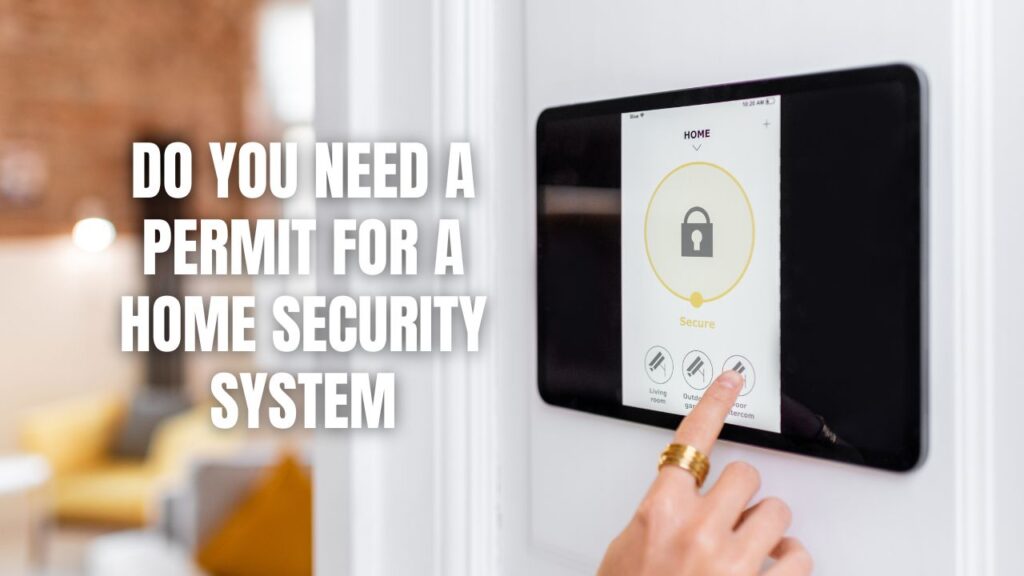
Yes — most monitored home security systems require a local alarm permit. The exact rules depend on your city or county, but skipping this step can lead to fines or slower emergency response.
When we set up a security system, getting a permit is often the last thing on our minds. But it’s actually one of the first things we should check. Let’s walk through everything you need to know so you stay covered, compliant, and protected.
Key Takeaways:
- Most monitored alarm systems require a local alarm permit or registration.
- Systems that dispatch police or fire responders almost always need one.
- Some cities require permits even for self-monitored or unmonitored alarms.
- Without a permit, you may face higher fines for false alarms.
- Check your city or county website under “alarm permit” or “security alarm registration.”
- Your monitoring company may help you apply or tell you if a permit is needed.
What Is a Home Security Permit?
A home security permit — also called an alarm permit or security alarm registration — is a license issued by your local government that allows you to legally operate a monitored alarm system in your home.
Think of it like registering your car. You own the vehicle, but the city still wants to know it’s on the road. Same idea here.
Most permits are:
- Issued by your city, county, or local police department
- Renewed annually (usually for a small fee)
- Tied to your home address and emergency contact info
What Types of Systems Usually Need a Permit?
Not every setup triggers a permit requirement. Here’s a quick breakdown:
| System Type | Permit Typically Required? |
|---|---|
| Professionally monitored alarm (ADT, Ring, SimpliSafe, etc.) | Yes, in most cities |
| Smoke/fire dispatch system | Yes, often a separate fire permit |
| Self-monitored alarm (app alerts only, no dispatch) | Sometimes |
| Unmonitored alarm (siren only, no alerts) | Rarely, but check locally |
| DIY camera-only system | Usually not required |
If your home security system connects to a central monitoring station that can call police or fire services, there’s a good chance you’ll need a permit.
Why Does a Permit Actually Matter?
Here’s the real deal — permits aren’t just red tape. They serve a purpose for both you and your community.
Faster Emergency Response
When you register your system, local emergency services have your info on file. That means faster callbacks, fewer delays, and better communication during a real alarm.
Lower False Alarm Fines
False alarms are common — and cities take them seriously. In many areas, unregistered systems face steeper fines for false alarms compared to registered ones. Some cities charge repeat offenders hundreds of dollars per incident.
Priority During Emergencies
Some police departments use alarm databases to verify registered homes first. A permit puts your property on that list.
How to Find Out If You Need One
It’s easier than you think. Here’s how we suggest going about it:
- Visit your city or county government website. Search for “alarm permit” or “security alarm registration.”
- Check your local police department’s website. Many have a dedicated alarm registration page.
- Ask your monitoring company. Providers like ADT, Ring, or SimpliSafe often handle permit guidance — some even help with the application process.
- Call your city’s non-emergency line if you can’t find info online. They’ll point you in the right direction.
Pro tip: If you just moved or recently had a new home security installation, check permit requirements before your system goes live. Some cities want you to register before activation.
What the Permit Process Usually Looks Like
Most alarm permit applications are straightforward. Here’s what to expect:
- Fill out a short form with your name, address, and system info
- List emergency contacts the city can reach during an alarm
- Pay a small annual fee (typically $10–$50, though it varies by city)
- Receive a permit number to give your monitoring company
- Renew yearly — most cities send reminders
Some cities allow online applications. Others require mail-in or in-person forms.
What Happens If You Don’t Get a Permit?
Skipping the permit process isn’t just a technicality — it can cost you. Here’s what may happen:
- Higher false alarm fines — unregistered systems often face double or triple the fees
- Delayed or reduced emergency response — some cities deprioritize unregistered alarms
- Fines for operating without a permit — certain cities issue direct penalties
- Complications with your alarm monitoring service — some providers require proof of registration to activate dispatch
Real-World Example: Popular Systems That Often Need a Permit
If you’re using or planning to install one of these popular systems in a U.S. city, you’ll likely need to register:
| Brand | Monitoring Type | Permit Likely Needed? |
|---|---|---|
| ADT | Professional | Yes |
| Ring Alarm | Professional or self | Yes (pro monitoring) |
| SimpliSafe | Professional or self | Yes (pro monitoring) |
| Vivint | Professional | Yes |
| Arlo | Camera-only (no dispatch) | Usually not |
| Nest Cam | Camera-only | Usually not |
When in doubt, call your city’s permit office. It takes five minutes and saves you from a much bigger headache later.
Additional Details Worth Knowing
- Fire alarm permits are often separate from security alarm permits. If your system monitors for smoke or carbon monoxide and dispatches the fire department, you may need both.
- Renters can need permits too. If you install a monitored system in a rental, the permit requirement typically still applies to you as the occupant.
- Moving to a new address? Your old permit usually doesn’t transfer. You’ll need to register at the new location.
- False alarm thresholds vary. Some cities allow 1–2 false alarms before fining you. Others have zero tolerance for unregistered systems.
- Your permit number matters. Give it to your monitoring company so dispatchers can include it when contacting police or fire departments.
If your current system needs a checkup or you want to make sure everything is running correctly, a home security repair or upgrade may also be worth considering.
Frequently Asked Questions
Do I need a permit for a Ring or SimpliSafe system?
In many U.S. cities, yes — especially if you use professional monitoring that dispatches emergency responders. Check your city’s alarm registration page or ask your provider directly.
What happens if I have a false alarm without a permit?
Most cities fine unregistered systems at a higher rate than registered ones. Repeat false alarms can result in fines of $50–$500 or more depending on your location.
Is a security camera system the same as an alarm system for permit purposes?
Usually not. Camera-only systems — like a simple home security camera setup — typically don’t require a permit unless they’re connected to a monitoring service that dispatches responders.
Can my security company apply for the permit on my behalf?
Some professional installation companies handle permit applications as part of their service. Ask your provider before installation to see if this is an option.
How often do I need to renew my alarm permit?
Most cities require annual renewal. Fees are usually modest, and many municipalities send renewal reminders by mail or email.
The Bottom Line: Don’t Skip the Permit Step
Getting a home security alarm permit is a small but important part of owning a monitored system. It protects you from fines, speeds up emergency response, and keeps your household in good standing with local authorities.
The process is simple, affordable, and often takes less than 15 minutes to complete online. So before your system goes live — or if you’ve had one running without checking — take a quick look at your city’s requirements.
Ready to Set Up a System You Can Count On?
At Callaway Security & Sound, we make the whole process easy — from choosing the right system to walking you through local permit requirements. Our team knows what your area needs and helps you stay compliant from day one.
Get in touch with Callaway Security & Sound today and let’s build a home security plan that works for you.