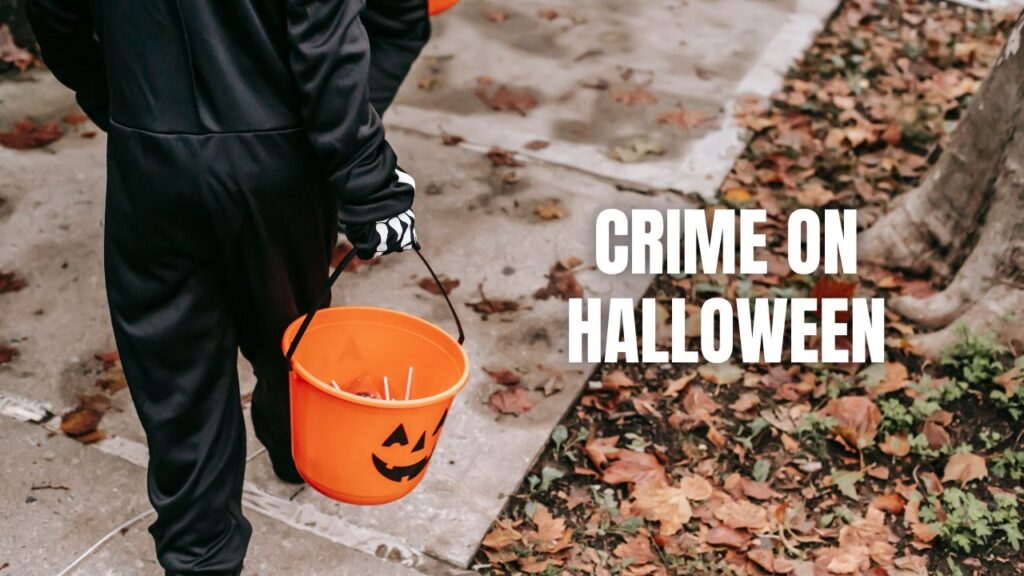
Yes, crime rates jump significantly on Halloween night compared to regular evenings throughout the year. Data from law enforcement agencies, insurance companies, and university research shows that October 31st brings measurable spikes in property crimes, vandalism, and certain violent offenses, making it one of the riskiest nights annually.
We’ve all heard the warnings about staying safe on Halloween, but how much of it is actually backed by real numbers? The truth is, Halloween creates a perfect storm of conditions that lead to more criminal activity. From the anonymity of costumes to darkened streets filled with distracted families, this beloved holiday unfortunately provides opportunities for wrongdoers to take advantage. Insurance claims shoot up by 17-24% on average, with some categories seeing even steeper increases. Theft on premises jumps by 47%, while vandalism and malicious mischief claims rise by 45% compared to typical days. But here’s what really matters: understanding these risks helps us protect our families and communities without letting fear ruin the fun.
Key Takeaways:
- Property crimes dominate Halloween criminal activity, with theft accounting for 60% of incidents, particularly home burglaries
- Pedestrian fatalities increase by 43% on Halloween compared to regular evenings, with children aged 4-8 facing a 10-fold higher risk
- Costumes and masks create anonymity that research shows can embolden criminal behavior through psychological deindividuation
- Vehicle vandalism peaks on October 31st, recording 1,253 claims versus the daily average of 692 claims
- The sex offender Halloween threat is a myth—comprehensive research found no spike in sexual crimes against children on this date
- Alcohol-fueled incidents surge, with 41% of Halloween fatalities involving at least one drunk driver between 2015-2019
- Simple precautions work: locking doors, motion-sensor lights, and reflective clothing on costumes significantly reduce risks

Understanding the Halloween Crime Spike
The Numbers Don’t Lie
When we dig into the statistics, the patterns become crystal clear. Halloween consistently ranks as one of the highest crime nights of the year, and we’re not just talking about petty pranks. Recent insurance data reveals that vandalism and malicious mischief claims skyrocket by 45% on October 31st compared to average days. That’s nearly half again as many incidents as a typical night. Theft on premises increases by 47%, meaning homes, yards, and properties become prime targets when families head out for festivities.
Research from Northeastern University found that violent crimes increase by approximately 50% on Halloween—that’s roughly double the daily average. Vandalism incidents rise by nearly 20% during Halloween festivities compared to yearly averages. These aren’t small fluctuations we’re seeing; they represent real, significant increases that affect communities nationwide.
Property crime makes up the bulk of Halloween criminal activity, with 60% involving theft. Home burglaries lead the pack, which makes sense when we consider how many houses sit empty during prime trick-or-treating hours. Vehicle vandalism also hits its annual peak on Halloween, with the average cost per claim reaching $1,528. In the UK, insurers reported that theft claims surge by 25% during October and November, with the average theft claim reaching approximately $8,000.
Why Halloween Creates Criminal Opportunities
Several factors combine to make Halloween night particularly attractive to criminals. First, there’s the massive element of anonymity. Costumes and masks aren’t just fun—they provide cover that can make people feel less accountable for their actions. Classic psychological research on deindividuation demonstrated this effect powerfully: when children wore Halloween masks, 80% stole candy when given the chance, compared to just 10.5% of identifiable children. That’s a huge difference driven purely by perceived anonymity.
Second, we’ve got the problem of unattended homes. Only 10% of people lock their doors when heading out to trick-or-treat, and 7% turn all their lights off, basically hanging a “nobody’s home” sign for burglars. Many families leave their homes empty for longer periods than usual, attending parties or walking neighborhoods for hours. Criminals know this pattern and exploit it.
Darkness plays a major role too. Halloween activities happen during evening hours when visibility drops and natural surveillance decreases. Most violent crimes typically occur between 7 PM and 1 AM, peaking at 10 PM—exactly when trick-or-treaters are most active on the streets. The earlier sunset in late October extends the window when crime rates naturally run higher.
Finally, alcohol consumption has become a huge part of modern Halloween celebrations for adults. This isn’t just about parties getting rowdy—between 2017 and 2021, drunk-driving crashes killed 159 people on Halloween nights. During Halloween nights from 2015-2019, 41% of fatalities involved at least one impaired driver. Alcohol fuels both traffic incidents and physical altercations throughout the night.
The Most Dangerous Halloween Threat
Pedestrian Deaths: The Real Halloween Horror
While property crimes certainly spike, the most alarming Halloween danger isn’t burglary or vandalism—it’s pedestrian fatalities. Research analyzing 42 years of data from the National Highway Traffic Safety Administration found that pedestrian deaths are 43% higher on Halloween compared to control evenings. Each October 31st results in an average of four additional pedestrian deaths nationwide.
Kids face the greatest danger. Pedestrians aged 4 to 8 years experience a 10-fold increase in fatality risk on Halloween. From 2011 to 2020, more child pedestrians died in motor vehicle crashes on Halloween than on any other date throughout the year. Let that sink in—of all 365 days, Halloween ranks as the deadliest for child pedestrians.
The most dangerous window runs from 5 PM to 9 PM, with the highest risk hitting around 6 PM when darkness overlaps with peak trick-or-treating hours. Several factors contribute to this deadly combination: darker costumes reduce visibility for drivers, masks restrict children’s peripheral vision, street-crossing becomes riskier at night without crossing guards present, and impaired drivers mix with distracted pedestrians on residential streets.
Between 2019 and 2023, alcohol-related crashes killed 198 people on Halloween night, including 30 pedestrians. Adults aged 21-34 show the highest percentage of fatalities in drunk-driving crashes on Halloween, suggesting that party-hopping and bar-crawling contribute significantly to these tragic incidents.
Breaking Down Halloween Crime Types
Property Crimes and Vandalism
Vandalism is probably what most of us picture when we think about Halloween crime. The classics—egging houses, smashing pumpkins, toilet-papering trees, spray-painting graffiti—all peak during this holiday. UK insurer Aviva reported that claims for malicious damage increase by 19% in October and November, with the average claim costing approximately $4,000. Examples include damaged doors from angry trick-or-treaters who didn’t get candy, broken windows, and defaced property.
Vehicle vandalism sees particularly dramatic spikes. Halloween records the highest average number of vandalism claims for any single day of the year—1,253 claims compared to an average of 692 daily claims throughout the rest of the year. Keyed cars, slashed tires, broken mirrors, and spray paint all become more common on October 31st.
Home burglaries represent the most costly category of Halloween property crime. Theft claims rise by 25% during October and November, with the average theft claim reaching approximately $8,000. These aren’t just opportunistic grabs of decorations from porches—we’re talking about criminals entering homes and stealing valuables while families are out enjoying the holiday. Claims for theft away from home increase by 21%, meaning vehicles and other properties beyond residences also become targets.
Violent Crimes and Arrests
Though less frequent than property crimes, violent offenses still see substantial increases on Halloween. Assault and physical altercations rise due to crowded parties, alcohol consumption, and the general chaos that comes with thousands of people roaming neighborhoods at night. Disagreements that might normally stay verbal escalate into physical confrontations when inhibitions drop and anonymity increases.
Common arrests on Halloween include drunk driving charges, public intoxication, disorderly conduct, and assault. Disorderly conduct covers a wide range of behaviors like public urination, fighting, loud disturbances, and other actions that violate public decency laws. Law enforcement agencies typically increase patrols on Halloween specifically to handle these expected upticks in arrests and incidents.
Debunking Halloween Myths
The Sex Offender Scare: More Myth Than Reality
Despite widespread concerns and policies that restrict registered sex offenders on Halloween, research shows no spike in sexual crimes against children on October 31st. This might surprise many people, given how much attention this issue receives each year. A comprehensive study analyzed nine years of national data covering 67,045 nonfamilial sex crimes against children aged 12 and under. The findings? Halloween rates were completely normal compared to other days, with no unusual victim patterns whatsoever.
Sex crimes against children accounted for just 0.2% of all Halloween crime. That’s an incredibly small fraction. This research raises important questions about how law enforcement allocates resources. Many agencies dedicate significant manpower to monitoring sex offenders on Halloween when data suggests those resources might be better spent addressing the actual threats—like pedestrian safety and property crime prevention.
We’re not suggesting parents shouldn’t supervise their children or take basic safety precautions. But the specific fear of predatory strangers targeting kids on Halloween appears to be largely unfounded based on statistical evidence. The real dangers lie elsewhere.
How to Protect Yourself and Your Property
Home Security Measures
Given the elevated risks on Halloween night, security experts recommend several straightforward precautions. Installing motion-sensor lights around your property serves as an excellent deterrent—criminals prefer to work in darkness and anonymity, so sudden illumination makes them think twice. Ensure all doors and windows stay locked, even when you’re home answering the door for trick-or-treaters. Many burglaries happen during those brief moments when families are distracted or have left a back door unlocked.
Visible security cameras provide strong deterrents. Even if you don’t have a full security system, a clearly visible camera (or even a realistic-looking fake one) can make criminals choose an easier target. Avoid advertising your Halloween plans on social media—posts about parties or trick-or-treating essentially broadcast that your home will be empty. Criminals increasingly monitor social media to identify opportunities.
Use indoor smart lights with timers to make your home appear occupied throughout the evening. Having different rooms light up at various times creates the impression that someone is home and moving around the house. If you have a security system, remember to re-arm it after trick-or-treating ends—many people disarm systems when expecting visitors and forget to reactivate them.
Pedestrian Safety Steps
For children heading out to trick-or-treat, reflective clothing or tape on costumes dramatically improves visibility for drivers. Flashlights or glow sticks help kids see where they’re going while also making them more visible to vehicles. Adult supervision remains crucial, especially for younger children who lack the judgment to navigate traffic safely.
Choose brighter costume colors when possible, or add reflective elements to darker costumes. Make sure masks don’t restrict children’s vision—consider face paint as an alternative when visibility is important. Teach kids to use crosswalks and look both ways before crossing streets, even when excited about reaching the next house.
Driver Responsibilities
Drivers face special responsibilities on Halloween night. Exercise extreme caution in residential areas between 5 PM and 9 PM when trick-or-treaters are most active. Reduce speeds significantly below normal limits—children can dart into streets unexpectedly, and slower speeds provide crucial extra reaction time. Never drive impaired, and consider avoiding residential areas entirely if you’ve been drinking. The combination of increased pedestrian traffic and alcohol is literally deadly.
Watch for children crossing between parked cars and entering streets from driveways or yards. Turn headlights on early to improve visibility. Minimize distractions—put phones away completely and keep music at reasonable levels so you can hear what’s happening outside your vehicle.
Community-Wide Solutions
Organized Safety Initiatives
Communities can implement several measures to make Halloween safer for everyone. Organizing designated trick-or-treating hours helps concentrate activities into specific timeframes when everyone expects increased pedestrian traffic. This allows both families and drivers to plan accordingly and maintain heightened awareness during those windows.
Neighborhood watch activities become especially valuable on Halloween. Volunteers can patrol streets, watch for suspicious behavior, and provide additional adult supervision for groups of children. Some communities organize trunk-or-treat events in parking lots, which concentrate activities in controlled environments where vehicles move slowly and adults maintain close supervision.
Local law enforcement agencies typically increase patrols on Halloween, but community members can support these efforts by reporting suspicious behavior promptly. Many police departments offer tips and resources specifically for Halloween safety—taking advantage of these materials helps families prepare effectively.
Statistics at a Glance
| Crime Type | Increase on Halloween | Average Cost |
|---|---|---|
| Vandalism & Malicious Mischief | 45% | $4,000 per claim |
| Theft on Premises | 47% | $8,000 per claim |
| Vehicle Vandalism Claims | 1,253 vs. 692 daily | $1,528 per claim |
| Violent Crimes | 50% | Varies |
| Pedestrian Fatalities | 43% | 4 additional deaths |
| Overall Crime Claims | 17-24% | Varies by type |
Frequently Asked Questions
What time is Halloween most dangerous for trick-or-treaters?
The most dangerous period for trick-or-treaters runs from 5 PM to 9 PM, with the highest risk occurring around 6 PM when darkness first falls and overlaps with peak trick-or-treating activity. During this window, pedestrian fatalities spike dramatically, especially for children aged 4 to 8 years who face a 10-fold increase in fatality risk compared to regular evenings. Drivers should exercise extreme caution in residential areas during these hours, reducing speeds and maintaining heightened awareness for children who may unexpectedly enter streets.
Are sex offenders really a major threat on Halloween?
No, despite widespread concerns and restrictive policies, comprehensive research shows no spike in sexual crimes against children on Halloween. A study analyzing nine years of national data covering 67,045 nonfamilial sex crimes against children aged 12 and under found that Halloween rates were completely normal compared to other days. Sex crimes against children accounted for just 0.2% of all Halloween crime. While parents should always supervise children, the specific fear of predatory strangers on Halloween appears largely unfounded based on statistical evidence.
Why does crime increase so much on Halloween?
Crime increases on Halloween due to a combination of factors including the anonymity provided by costumes and masks, which research shows reduces perceived accountability and emboldens criminal behavior. Many homes sit unattended while families trick-or-treat, with only 10% of people locking their doors when leaving. Darkness reduces visibility and natural surveillance during peak activity hours. Increased alcohol consumption at adult parties contributes to both impaired driving incidents and violent altercations throughout the night.
What type of crime is most common on Halloween?
Property crimes dominate Halloween criminal activity, with 60% involving theft, particularly home burglaries. Vandalism and malicious mischief claims rise by 45%, while theft on premises increases by 47% compared to average days. Vehicle vandalism reaches its annual peak on Halloween with 1,253 claims versus the daily average of 692 claims. Though violent crimes also increase by approximately 50%, property crimes and pedestrian traffic fatalities represent the most significant threats on October 31st.
How can homeowners protect their property on Halloween?
Homeowners should install motion-sensor lights around their property, ensure all doors and windows remain locked even when home, and avoid advertising Halloween plans on social media. Visible security cameras serve as strong deterrents to potential criminals. Using indoor smart lights with timers creates the impression that someone is home throughout the evening. After trick-or-treating ends, remember to re-arm security systems. These simple precautions significantly reduce the risk of becoming a target for the 47% increase in theft that occurs on Halloween night.
Staying Safe While Keeping the Spirit Alive
Halloween remains one of our most beloved holidays, bringing joy to millions of families each year. The statistics we’ve covered aren’t meant to scare anyone away from celebrating—they’re tools for making smarter decisions that keep everyone safer. Understanding that crime rates do increase on October 31st helps us take appropriate precautions without overreacting or letting fear dominate the experience.
The data clearly shows that property crimes and pedestrian fatalities represent the biggest Halloween dangers, not the boogeyman scenarios that often dominate headlines. Simple steps like locking doors, adding reflective elements to costumes, and driving cautiously in residential areas can dramatically reduce risks. Communities that come together to implement organized safety measures create environments where children can enjoy trick-or-treating while adults maintain appropriate awareness.
We’ve learned that some widely believed Halloween dangers—like predatory sex offenders targeting children—simply aren’t supported by evidence, while other threats like pedestrian deaths receive less attention despite causing real harm. By focusing our efforts and awareness on actual statistical risks rather than imagined ones, we protect our families more effectively while preserving the fun that makes Halloween special.
The bottom line? Yes, crime goes up on Halloween, but knowledge and preparation give us the power to celebrate safely. Lock your doors, watch out for kids on the streets, skip the drunk driving, and keep an eye on your neighborhood. With these basics covered, we can all enjoy the spooky season without becoming another statistic in next year’s Halloween crime reports.
If you’re looking for added protection for your home, contact Callaway Security™ for home security systems.