Are FireLite Fire Alarm Systems Worth It?

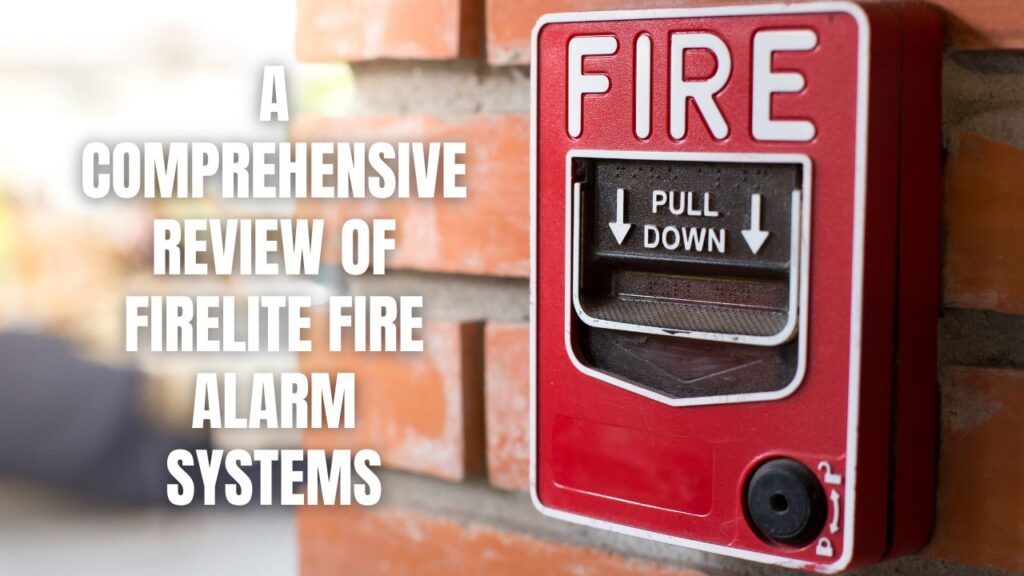
A Comprehensive Review of FireLite Fire Alarm Systems

FireLite fire alarm systems are absolutely worth considering if you’re shopping for fire protection in Georgia, especially for small to medium-sized buildings. These systems deliver solid reliability, straightforward operation, and competitive pricing—making them a smart choice for property owners who want effective fire safety without breaking the bank.

We’ve spent considerable time researching FireLite’s offerings, and what stands out immediately is their practical approach to fire protection. Unlike some competitors that load up systems with features most users never need, FireLite focuses on what matters: reliable detection, easy troubleshooting, and reasonable costs. For Georgia property owners managing buildings under 25,000 square feet, this approach translates to real value.

Key Takeaways:

  • FireLite operates as Honeywell’s budget-friendly brand, offering non-proprietary systems that multiple contractors can service without vendor lock-in
  • Installation costs range from $1,000-$2,500 for residential properties and $3,000-$8,000 for small commercial spaces in Georgia
  • Addressable systems cost more upfront but save money long-term through self-diagnostic features that reduce maintenance labor
  • Georgia’s regulatory environment favors FireLite’s non-proprietary design, creating contractor competition that drives down costs
  • The systems excel for buildings under 25,000 sq ft but lack advanced networking capabilities needed for large multi-building campuses
Callaway security™ ad

Understanding FireLite’s Market Position

FireLite sits in an interesting spot within the fire alarm industry. Honeywell owns the brand and positions it as their value-oriented option, complementing their premium Notifier line. This isn’t a case of “budget brand means cheap quality”—it’s more about matching system complexity to actual building needs.

Fire alarm professionals speak highly of FireLite equipment. We found technicians consistently praising the systems for being remarkably user-friendly. One installer put it bluntly: “For addressable systems, Firelite is by far my favourite. Easy to use, very user friendly and easy to troubleshoot and repair.” That kind of enthusiasm from the people who work with these systems daily tells us something important about real-world performance.

Why User-Friendliness Matters

The programming software deserves special mention. While some fire alarm systems require days of training to understand, FireLite’s software is intuitive enough that technicians report training operators in just 1-2 hours. One professional stated the software “doesn’t even need an explanation to use.” Compare that to systems like Edwards EST, which industry folks describe as “time consuming and not very user friendly,” and you understand why facility managers with limited technical expertise appreciate FireLite’s approach.

Breaking Down the Costs

Let’s talk numbers, because that’s often where the “worth it” question gets answered.

Upfront Investment

For Georgia property owners, here’s what you’re looking at:

Small commercial projects: $3,000 to $8,000 typically

Equipment pricing specifics:

  • Conventional control panels: $709-$1,188
  • Addressable control panels: $814-$1,123+
  • Addressable smoke detectors: $77-$197 each
  • Installation rates: $1-$5 per square foot for standard projects, potentially $5-$13 per square foot for complex retrofits

Conventional fire alarm systems offer lower entry costs but reduced functionality. Addressable systems cost more initially but provide precise device location during alarms and self-diagnostic capabilities that make troubleshooting faster.

Ongoing Expenses

Here’s where FireLite’s value proposition strengthens over time:

  • Annual maintenance: $500-$2,000 (varies with system complexity)
  • Annual inspections: $300-$600
  • 24/7 monitoring services: $50-$60 monthly
  • Routine repairs and parts: $200-$800 annually

Addressable systems typically cost less to maintain long-term because their self-diagnostic features reduce troubleshooting time. Conventional systems require more manual inspection and fault-finding, which increases labor costs during maintenance visits.

Five-Year Total Cost Example

For a 3,000 square foot commercial building in Georgia:

Cost ComponentFireLite AddressableNotifier Addressable
Installation$7,500$9,500
Equipment$4,000$6,000
5-Year Monitoring$3,300$3,300
Maintenance (Years 1-5)$4,000$5,500
5-Year Total$18,800$24,300

FireLite saves approximately $5,500 over five years—that’s a 23% reduction in total cost of ownership. Those savings matter, especially for small business owners watching every dollar.

Addressable vs. Conventional: Making the Right Choice

FireLite offers both types, and understanding the difference helps you choose wisely.

Addressable Systems (ES-50X, ES-200X, ES-1000X)

These systems assign each device a unique address. When an alarm triggers, the control panel shows exactly which device activated—“Smoke detector in Conference Room B” rather than just “Zone 3.”

Advantages:

  • Pinpoint accuracy during emergencies saves critical response time
  • Self-diagnostic reporting with exact device locations
  • Highly scalable—adding devices requires minimal rewiring
  • Superior fault tolerance and reliability
  • Lower long-term maintenance costs

Best for: Most commercial properties, buildings over 2,500 sq ft, facilities where rapid response is critical

Conventional Systems (MS-4, MS-10UD-7)

These systems divide buildings into zones and alert you to which zone has an issue, but not which specific device.

Advantages:

  • 30-40% lower upfront cost
  • Simpler installation
  • Adequate for straightforward layouts

Disadvantages:

  • Manual inspection needed to locate faults
  • Higher long-term maintenance labor costs
  • Limited scalability

Best for: Residential properties, small retail spaces under 2,500 sq ft, simple warehouses

We generally recommend addressable systems for commercial applications. Yes, you pay more initially—typically $500-800 extra—but those costs typically recoup within 4-5 years through reduced maintenance expenses.

Georgia Compliance and Regulations

Georgia follows National Fire Protection Association (NFPA) standards, which creates a straightforward regulatory environment for FireLite systems.

Key Georgia requirements:

  • All equipment must carry UL or FM listing
  • Installation by certified professionals is mandatory
  • Annual or biannual testing per NFPA 72 standards
  • Maintenance and testing documentation must be retained for 3+ years
  • Wireless systems are permitted if they comply with local codes

FireLite systems meet NFPA 72 standards right out of the box. Georgia’s network of certified contractors readily installs and services these systems without complications. The state’s regulatory framework actually favors non-proprietary systems like FireLite because multiple contractors can service them without licensing barriers or proprietary software requirements.

FireLite’s Biggest Strengths

Non-Proprietary Architecture

This represents FireLite’s most significant competitive advantage. Replacement parts and components can be sourced from multiple manufacturers, and any trained technician can service your system. Contractors describe FireLite and similar brands as “open source,” meaning “all you need is experienced technicians.”

Contrast this with Edwards EST systems, where proprietary software locks customers into single-supplier dependency. If your EST-certified contractor goes out of business or becomes unresponsive, finding another contractor who can modify your system becomes problematic. With FireLite, you simply call another qualified technician.

Solid Warranty and Reliability

Honeywell extended product warranties on all FireLite systems to 36 months (3 years) as of 2009. This applies retroactively to products manufactured after January 1, 2009. The extended warranty demonstrates manufacturer confidence in build quality.

Field data from professionals shows addressable systems with proper maintenance typically achieve 8-10 year Mean Time Between Failures. That’s well within expected system lifespan and indicates reliable performance over time.

Integration Flexibility

FireLite systems integrate readily with building automation systems and third-party devices. You can create unified control with security systems, HVAC equipment, and access control without proprietary barriers. This reduces overall system complexity and often saves money compared to proprietary alternatives that require expensive integration modules.

Honest Assessment of Limitations

No system is perfect, and FireLite has real limitations worth understanding.

Limited Advanced Networking

FireLite doesn’t offer the intelligent networking capabilities found in Honeywell’s premium Notifier line. While Notifier supports networked panels with cloud-based remote access, FireLite systems operate primarily as standalone or basic multi-panel setups with less sophisticated data sharing.

For multi-building campuses or facilities requiring real-time remote monitoring from mobile devices, this represents a meaningful limitation. You can’t pull up a dashboard on your phone while traveling and check system status across multiple buildings like you can with premium alternatives.

Scalability Ceiling

The ES-1000X, FireLite’s largest panel, supports up to 954 addressable devices. That’s sufficient for most buildings, but enterprise-grade facilities—hospitals, universities, large industrial complexes—may exceed this capacity. These facilities need proprietary Notifier systems with higher-level networking and greater device capacity.

Basic Remote Access

Premium competitors offer cloud-based dashboards and mobile apps for real-time system status. FireLite’s remote capabilities are limited to VPN or phone-based status checks. For facility managers overseeing multiple properties or needing detailed audit trails for compliance, this matters.

Zone Labeling Workaround

FireLite’s programming software cannot label zones directly within the interface. Users must maintain external cut sheets (spreadsheets or documents) to track zone assignments. While workable, this adds administrative overhead compared to systems with built-in zone naming features.

How FireLite Stacks Up Against Competitors

vs. Honeywell Notifier

Notifier commands premium pricing—typically 20-30% higher than FireLite—but justifies it through superior networking, cloud integration, and advanced multi-criteria detection technology. Notifier makes sense for large facilities, multi-building campuses, and high-risk environments. For small to medium buildings, that premium is difficult to justify based on actual needs.

vs. Edwards EST

EST systems offer extensive customization options but require proprietary software for modifications. This creates vendor lock-in and limits your contractor options. EST’s mapping capabilities add useful visualization, but FireLite’s simpler approach often eliminates the complexity those features address.

vs. Silent Knight

Silent Knight, another Honeywell brand, sits at price and functionality parity with FireLite. Both are non-proprietary and user-friendly. Choose between them based on local installer expertise and specific feature requirements—they’re essentially equivalent options.

vs. Siemens Cerberus PRO

Siemens offers advanced multi-criteria detection but commands higher costs and requires specialized technician training. This makes sense primarily for high-risk environments like hospitals and pharmaceutical facilities where advanced sensitivity justifies the expense.

Georgia-Specific Advantages

Georgia’s business environment creates specific benefits for FireLite owners.

Abundant contractor availability: Georgia has numerous certified FireLite installers throughout Atlanta and statewide. The non-proprietary architecture means multiple firms can service your system without exclusivity agreements or proprietary software barriers.

Cost competition: That non-proprietary model enables genuine price competition among Georgia contractors, driving installation costs below national averages for comparable systems.

Regulatory alignment: Georgia’s adherence to NFPA 72 standards aligns perfectly with FireLite’s design philosophy. No state-specific customization complications arise.

Insurance recognition: Georgia insurers recognize FireLite systems as industry-standard equipment. You won’t face premium penalties compared to premium brands, and fire safety discounts typically apply uniformly across non-proprietary systems.

When FireLite Makes Perfect Sense

FireLite represents optimal value when your situation includes:

  • Building size under 25,000 sq ft (addressable) or under 5,000 sq ft (conventional)
  • Budget focus on lowest 5-year total cost of ownership
  • Single-building operations rather than multi-campus facilities
  • Limited in-house technical expertise requiring user-friendly design
  • Stable footprint with minimal expansion plans for 7+ years
  • Willingness to use local contractors rather than requiring 24/7 remote monitoring

When to Consider Alternatives

Evaluate Honeywell Notifier or Edwards EST if you’re dealing with:

  • Multi-building operations requiring centralized cloud-based monitoring
  • High-risk facilities like healthcare, pharmaceuticals, or data centers needing advanced detection
  • Large scale operations exceeding 50,000 sq ft or 954 device capacity
  • Remote management needs requiring mobile apps and real-time cloud dashboards
  • Long-term campus planning with 15+ year expansion requiring networked growth
  • Willingness to accept vendor lock-in for advanced customization features

Additional Information

Warranty coverage details: The 36-month Honeywell warranty covers manufacturing defects and failures under normal use. This protects you during year three when many competitors offer only 12-month coverage.

Training availability: FireLite offers comprehensive training resources for both installers and end users. The simplified interface means your staff can become proficient quickly without extensive technical backgrounds.

Parts availability: Because FireLite uses non-proprietary components, replacement parts are readily available from multiple suppliers. This prevents single-source bottlenecks that can delay repairs.

System longevity: Properly maintained FireLite systems routinely operate for 15-20 years. While individual devices may need replacement (smoke detectors typically last 10 years), the control panels and core infrastructure prove durable.

Expansion considerations: While adding devices to addressable systems requires minimal rewiring, expanding conventional systems often necessitates running entirely new circuits. Plan for growth when choosing your initial system type.

Frequently Asked Questions

How long does FireLite equipment typically last?

Control panels and core infrastructure typically last 15-20 years with proper maintenance. Individual smoke detectors generally need replacement every 10 years due to sensor degradation. Addressable devices often provide warning before complete failure through self-diagnostic features, allowing planned replacement rather than emergency repairs.

Can I monitor my FireLite system remotely?

Yes, but with limitations compared to premium systems. FireLite supports basic remote monitoring through VPN connections or phone-based status checks. You won’t get cloud dashboards or mobile apps with real-time push notifications like premium Notifier systems provide. For many small to medium facilities, this basic remote access proves sufficient.

What happens if my FireLite installer goes out of business?

This is where non-proprietary design shines. Any certified fire alarm technician can service your FireLite system without proprietary software barriers. Simply contact another qualified contractor in Georgia—there are many—and they can provide ongoing service, programming changes, and repairs without complications.

Are FireLite systems difficult to program or modify?

No, and this represents one of their key advantages. The programming software is notably intuitive, with technicians reporting they can train operators in 1-2 hours. Making programming changes doesn’t require specialized expertise, which reduces your dependence on contractors for minor adjustments.

How do FireLite systems perform during power outages?

FireLite systems include battery backup that maintains operation during power failures. Battery capacity varies by system size but typically provides 24 hours of standby power plus 5 minutes of alarm operation. Batteries require replacement every 4-5 years as part of routine maintenance.

Is FireLite the Right Choice for Your Georgia Property?

FireLite fire alarm systems deliver genuine value for Georgia property owners seeking cost-effective, reliable fire protection. The non-proprietary design, widespread respect among technicians for ease of use and serviceability, and competitive total cost of ownership make FireLite an excellent choice for small to medium buildings.

Addressable systems command higher upfront investment than conventional alternatives, but their self-diagnostic capabilities and lower maintenance costs produce superior 5-year economics. For most commercial applications in Georgia, that initial investment pays dividends through reduced troubleshooting time and faster emergency response.

FireLite won’t dazzle you with unnecessary features or cutting-edge bells and whistles. What it will do is detect fires reliably, alert you clearly, comply with regulations completely, and cost you less over time than fancier alternatives. For small to medium Georgia properties, that’s exactly what “worth it” looks like.

Callaway Security Logo

Looking for Home Security?

We're Just A Call-Away!