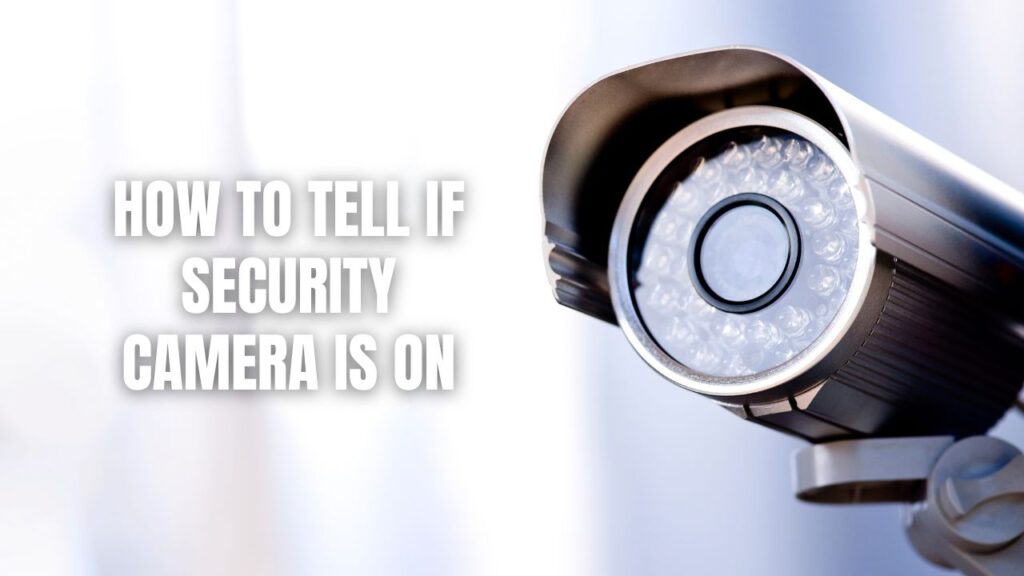
The fastest way to check is the LED light near the lens. A solid red or green light usually means the camera is on and recording. A blinking light often means it’s connecting, on standby, or—if it never stops flashing in broad daylight—a sign you’re looking at a fake.
We’ve all stood under a camera at some point and wondered, “Is that thing actually watching me right now?” Good news: you don’t need fancy gear to find out. With a few simple checks—some you can do with just your phone—we can spot the real signs a camera is powered up, recording, and doing its job. Let’s walk through them together.
Key Takeaways:
- LED lights are your first clue. Solid red or green usually means “on.” Non-stop blinking, especially in daylight, can mean fake or idle.
- Your smartphone camera can reveal infrared light that your eyes can’t see, which is a dead giveaway for active night vision.
- Moving cameras (PTZ) are powered cameras. If it pans, tilts, or zooms, it’s awake.
- The app or web portal is the most reliable proof for cameras you own.
- Network tools like your router’s device list or apps like Fing can confirm a camera is online.
- Heat and sound are small physical clues that back up what the LED already tells you.
Check the LED Indicator Lights First
The quickest test starts right at the camera lens. Most security cameras have a small light built in, and that light tells a story.
- Solid red or green light: The camera is powered on and likely recording.
- Blinking light: This could mean the camera is connecting to Wi-Fi, sitting in standby, or simply alerting you to motion. But if it blinks nonstop, day and night, with no change—that’s often a tell-tale fake camera trick.
- Tiny red or infrared LEDs around the lens at night: This means night vision has kicked in, which only happens when the camera is active.
Real cameras don’t always need a blinking light to prove they work. In fact, many higher-end models let owners turn the LED off completely for privacy or stealth reasons. So while the LED is a great first clue, it’s not the whole story.
Why Some Cameras Hide Their Lights
Installers often disable LED indicators on purpose. Burglars look for blinking lights to spot cameras and avoid them—or worse, disable them. A dark LED doesn’t always mean “off.” It might just mean someone wanted the camera to stay low-key. This is one reason professional installation matters; a properly placed camera does its job without announcing itself. If you’re weighing your options, our security camera installation team can walk you through smart placement and settings.
Test for Night Vision (This Works Even in the Dark)
Night vision is one of the easiest things to confirm, and you don’t need daylight to do it.
Method 1: Dim the room and look closely.
Stand near the camera in low light. If you spot a faint purple or white glow near the lens, the infrared LEDs are active. That glow means the camera is on and adjusting to darkness.
Method 2: Use your smartphone camera.
This trick is a favorite for a reason—it actually works. Infrared light is invisible to our eyes, but most phone cameras can pick it up.
- Open your phone’s camera app.
- Point it directly at the security camera’s lens.
- Look at your screen, not the camera itself.
- If you see a soft white, purple, or bluish glow coming from the lens area, that’s infrared light—and infrared light means the camera is powered and likely recording in night mode.
Some newer phones have stronger infrared filters and may show a weaker glow, so try a second device if your first test comes up empty.
Watch for Movement (Especially PTZ Cameras)
Pan-Tilt-Zoom (PTZ) cameras are built to move, and that movement is a giveaway.
- A smooth, sweeping motion across a room means the camera is awake and actively monitoring.
- Listen closely—you might catch a faint whirring or buzzing sound as the motor adjusts the angle.
- Continuous motion, even slow and subtle, almost always means the camera is powered and functioning.
Fixed cameras (the ones that don’t move) won’t give you this clue, so pair this method with the LED or infrared check for a fuller picture.
Check the App or Web Interface (Best for Your Own Cameras)
If it’s your own camera, this is hands-down the most direct way to confirm it’s on.
- Open the companion app. Look for a live feed. If you can see real-time video, the camera is on, connected, and streaming.
- Check the recording timeline. New footage from today or yesterday confirms the camera was active recently—even if the LED was switched off.
- Log into the web interface. Most IP cameras let you view live footage straight from a browser, no app required.
This method skips the guesswork entirely. No squinting at lights or testing with your phone—just open the app and see for yourself. If your system feels outdated or hard to manage, it might be time for an upgrade to a smarter setup.
Verify the Network Connection
Cameras that connect to Wi-Fi leave digital footprints. A little detective work on your network can confirm a camera’s status.
| Method | What to Do |
|---|---|
| Router device list | Log into your router and look for the camera’s IP address among connected devices |
| Network scanner app | Use a tool like Fing or Nmap to spot IP cameras on your network |
| Ping test | Type ping [camera IP] in your command prompt—a response means it’s online |
This approach is especially handy for IP cameras tucked away where you can’t easily see the LED or test for infrared.
Look for Physical Signs
Sometimes the simplest clues are physical ones.
- Heat: A camera that’s been running for a while will feel slightly warm to the touch. A cold camera is usually an off (or fake) one.
- Power indicator: Many IP cameras have a separate status light showing Wi-Fi connection, apart from the recording LED.
These signs work best as backup confirmation, not your main method, since they require getting close enough to touch the device.
Real Camera vs. Fake Camera: Quick Comparison
Not every camera you spot is the real deal. Dummy cameras are cheap, common, and meant to scare off intruders without actually recording anything. Here’s how to tell them apart.
| Sign | Real Camera | Fake Camera |
|---|---|---|
| LED pattern | Solid light or occasional blink | Continuously flashing, even in daylight |
| Movement | Smooth pan-tilt-zoom sweep | No movement at all |
| Infrared lights | Active only in low light | May flash randomly, even during the day |
| Heat | Warm when powered on | Always cold |
If a camera fails most of these checks, there’s a good chance it’s just for show.
A Few More Things Worth Knowing
Surveillance laws vary depending on where you live, so what’s legal to check or record can differ by state or country. When in doubt, the safest move is confirming through legitimate channels—like asking the property owner—rather than tampering with someone else’s equipment.
Also worth remembering: a camera’s automatic adjustments (like switching to night mode at dusk) are normal and don’t mean anything is broken. Understanding these patterns helps you avoid jumping to the wrong conclusion about a camera’s status. For homes or businesses wanting full peace of mind, pairing your security cameras with alarm monitoring gives you round-the-clock confirmation that everything’s working as it should.
FAQs About Security Camera Status
Can a security camera be on without a blinking light?
Yes. Many cameras let owners turn off the LED indicator completely. So a dark or steady light doesn’t always mean the camera is off—it might just be set to stay discreet.
Does covering a camera lens stop it from recording?
Covering the lens blocks the view, but the camera itself may still be powered on and recording a blocked frame. To fully stop recording, the camera needs to be powered off or disconnected.
Can I tell if a hidden camera is recording using just my phone?
Yes, in many cases. Dim the room, point your phone camera at the suspected device, and look for an infrared glow on your screen. This works especially well for cameras with night vision.
Why does my camera’s light blink all the time?
Constant blinking, especially during the day, often points to a fake or dummy camera. Real cameras typically show a steady light or only blink briefly during connection or motion alerts.
Is checking someone else’s camera status legal?
This depends on your location and the situation. Simply observing a visible camera is usually fine, but tampering with or disabling someone else’s equipment can carry legal risks. When unsure, ask the owner directly.
Final Thoughts on Spotting an Active Security Camera
Knowing how to tell if a security camera is on doesn’t have to be complicated. Between checking the LED, testing for infrared with your phone, watching for movement, and confirming through the app, we’ve got plenty of simple, reliable ways to get a clear answer. For your own equipment, the app or live feed is always the most direct confirmation. For cameras you don’t own, the LED-plus-smartphone combo is your best bet.
A well-installed security system shouldn’t leave you guessing—it should give you confidence, whether you’re checking on your home, your business, or just curious about that camera at the corner store.
Need Help With Your Security Camera Setup?
Whether you’re installing new cameras, fixing a glitchy system, or just want a setup that’s easy to monitor and trust, Callaway Security & Sound has you covered. From home security systems to camera repair, our team makes sure your cameras work exactly the way they should—no guesswork required.
Contact us today and let’s get your security system running with total peace of mind.