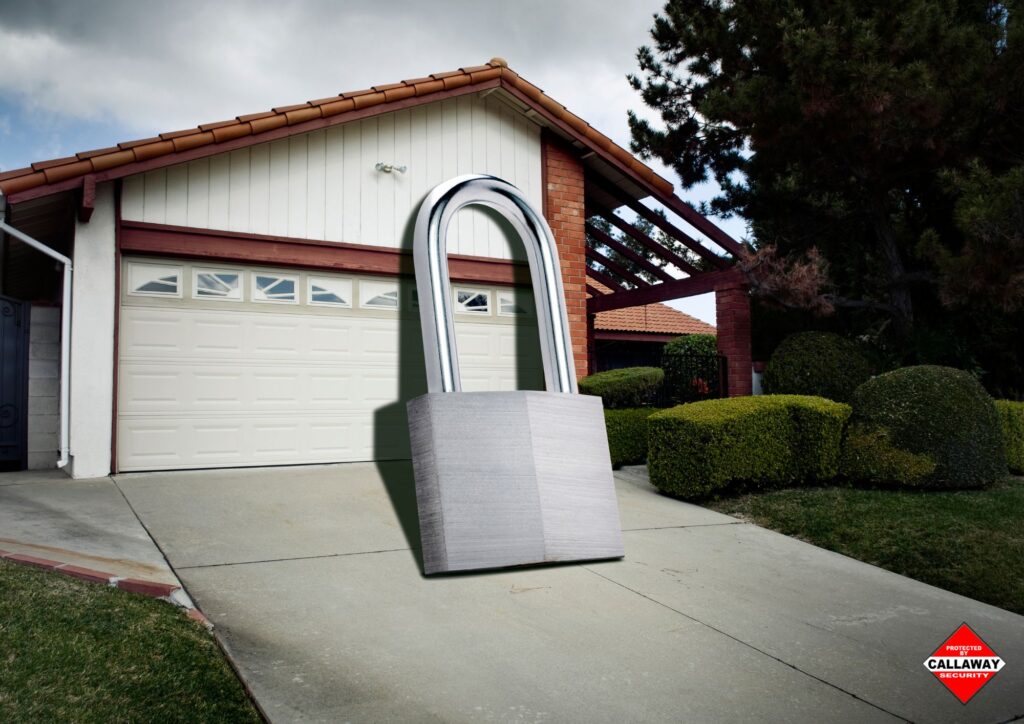
You can secure your home without an alarm by reinforcing doors and windows, adding motion-activated lighting, using security cameras, improving access control, and building smart daily habits that make your home a less attractive target for burglars.
Think of it this way: burglars look for easy targets. When your home looks harder to get into than the next one, they move on. That’s the whole game.
Key Takeaways:
- Reinforce your entry doors with a heavy-duty deadbolt and a strike plate secured by 3-inch screws
- Add motion-activated lighting at all entry points and dark corners
- Secure windows and sliding doors with locks, security film, or a simple steel rod
- Use cameras and signage — even visible dummy cameras deter would-be intruders
- Build good habits — light timers, neighbor watch, and skipping travel posts on social media go a long way
- Skip the monthly bill — battery-powered sensors and local-storage cameras give real protection at a one-time cost

Start at the Door: Entry Hardening Is Your First Line of Defense
Your front door is the most common entry point for break-ins, so it’s the best place to start. A solid-core or metal door fitted with a single-cylinder deadbolt (with a 1–1¼ inch throw) makes kick-ins dramatically harder.
But the deadbolt alone isn’t enough. Most door failures happen at the strike plate — that small metal plate where the bolt meets the frame. Swap it for a heavy-duty reinforced strike plate, and use 3-inch screws that go deep into the door framing. That one upgrade stops most forced entries cold.
Door Reinforcement Quick List
| Upgrade | Why It Matters | Approximate Cost |
|---|---|---|
| Solid-core or steel door | Resists impact and prying | $150–$400 |
| Heavy-duty deadbolt (1″+ throw) | Hard to kick in or pick | $30–$80 |
| Reinforced strike plate + 3″ screws | Stops frame splitting on kick | $15–$40 |
| Door armor kit | Hardens jamb, hinges, and lock zone | $100–$200 |
Explore professional door and lock installation options →
Don’t Forget Windows and Sliding Doors
Windows and sliders are often the overlooked weak spots in home security. Ground-floor and basement windows especially need attention.
For Windows:
- Window locks and sash pins prevent opening from outside
- Security film holds glass together even when broken — this buys time and noise
- Thorny plants under accessible windows (like hawthorn or rose bushes) are a natural deterrent
- Window bars work on basement-level openings where aesthetics matter less
For Sliding Doors:
- Drop a steel rod or wooden dowel in the track — cheap, effective, and immediate
- Add anti-lift devices so the door can’t be popped out of its frame
- Install tempered glass or security film to resist break-through attempts
Light It Up: Visibility and Deterrence Work
Burglars hate light. Motion-activated exterior lighting is one of the highest-return investments you can make. Aim fixtures at entry points, walkways, and dark corners — but angle them away from neighbors’ windows to stay considerate.
Pair lighting with visible security cameras. Whether they’re live-feed or well-placed dummy cameras, the presence alone discourages attempts. Add a yard sign or window sticker — many security companies sell these separately.
Quick tip: Place cameras where anyone approaching your home can see them. Visibility is the point.
Learn more about security camera options for your home →
Landscaping as a Security Tool
- Trim shrubs near windows so there are no hiding spots
- Use gravel paths around the home — footsteps crunch loudly
- Keep hedges low enough that your entry doors are visible from the street
Access Control: Who Has a Key to Your Home?
Lock management is underrated. Knowing exactly who can get into your home — and revoking that access when needed — is a core part of a solid home security plan.
Smart Steps for Key and Lock Control
- Rekey your locks when you move in, lose a key, or end a relationship with a contractor or housesitter
- Smart locks let you assign unique PIN codes to visitors and revoke them instantly — no locksmith needed
- Avoid the fake rock or under-the-mat key hiding spots — those are the first places anyone looks
- Store a spare key with a trusted person off-site or in a coded lockbox mounted out of plain sight
See smart lock and access control upgrade options →
Inside the Home: Protecting What Matters Most
Once the perimeter is covered, think about what happens if someone does get in. Slowing them down and protecting your most valuable items gives you better odds.
- Bolt a safe to the floor or wall for passports, hard drives, jewelry, and cash
- Move TVs and electronics away from street-facing windows — if it can’t be seen, it’s less tempting
- Close curtains at night to reduce visibility into your home
- Photograph and log serial numbers for all electronics — this helps with insurance claims and police recovery
Back up important digital files to encrypted cloud storage or an off-site drive. A burglary doesn’t just cost you hardware — it can cost you irreplaceable data.
Habits and Routines: The Human Side of Home Security
Your daily habits send signals to anyone watching. A few smart routines make your home look occupied and less predictable.
While You’re Away:
- Use light and radio timers to simulate occupancy
- Ask a neighbor to collect mail and packages — a pile of mail signals an empty house
- Have someone move your car occasionally or park in the driveway
- Don’t post travel plans on social media until you’re back home
Build a Neighborhood Network:
- Join a neighborhood watch or community group chat
- Share suspicious activity with neighbors in real time
- Many local police departments offer free home security walk-throughs — take them up on it
Budget-Friendly Tech: No Monthly Fees Required
You don’t need a monthly monitoring contract to get real protection. Here’s what a solid DIY security stack looks like:
| Device | Function | Monitoring Needed? |
|---|---|---|
| Door/window contact sensors | Sound local alarm when triggered | No |
| Battery-powered standalone siren | Loud deterrent on breach | No |
| Weatherproof cameras (local SD storage) | Record and deter; review footage yourself | No |
| Video doorbell | See who’s there remotely | Optional |
| Smart lock with PIN codes | Keyless access control | No |
| Motion-sensor lighting | Illuminate and deter at night | No |
This kind of setup can run under $500 total and gives you layered protection without a subscription.
Explore DIY and professional home security options →
Your $500-or-Less Starter Setup
Here’s a practical starting point for a well-protected home:
- Solid door reinforcement kit + reinforced strike plate with 3″ screws
- Window locks and security film on ground-floor windows
- One motion-activated exterior light at the front entry
- Two weatherproof cameras with local microSD storage
- A small bolted safe for valuables and documents
That’s it — denial, visibility, and recovery covered in one practical list.
Need help with repairs or upgrades to your existing setup? →
Additional Details Worth Knowing
- About 34% of burglars enter through the front door, making entry hardening the single highest-impact upgrade
- Homes without any exterior lighting are significantly more likely to be targeted after dark
- Most residential break-ins are opportunistic — removing easy access is often enough to redirect the threat
- Security film on windows doesn’t prevent breakage, but it delays entry by 30–60 seconds — often enough to trigger noise or neighbor attention
- Neighborhood watch programs have been shown to reduce residential burglaries in participating areas
FAQs
Can I secure my home without spending a lot of money?
Yes — some of the most effective upgrades cost under $50. A reinforced strike plate with 3-inch screws, window sash pins, and motion-activated lighting are low-cost, high-impact changes you can make in an afternoon.
What’s the best way to secure a door without an alarm?
Install a heavy-duty deadbolt with a 1-inch or longer throw, upgrade to a reinforced strike plate, and consider a door armor kit that protects the jamb, hinges, and lock area. Together, these make kick-in attacks much harder.
Do cameras really deter burglars if there’s no monitoring?
Yes. Studies consistently show that visible cameras — even non-recording ones — reduce the likelihood of a break-in attempt. Pair them with yard signage for added effect.
How do I secure sliding glass doors without an alarm?
Place a steel rod or cut-down wooden dowel in the track to prevent the door from sliding open. Add anti-lift pins to stop the door from being lifted out of its frame, and apply security film to the glass.
What should I do with valuables if I don’t have a safe?
At minimum, move valuables out of sight from windows and photograph them with their serial numbers for insurance purposes. A small floor safe bolted to your subfloor is a worthwhile investment for passports, hard drives, and jewelry.
Make Your Home a Hard Target — Starting Today
Securing your home without an alarm isn’t a compromise — it’s a smart, layered strategy that works. Start with your door, add light and visibility, manage who has access, and build habits that make your home look occupied and unpredictable. Layer in affordable tech where it makes sense, and you’ve got a system that would make most intruders move on.
The goal isn’t a perfect fortress. It’s making your home harder to target than the alternatives.
Ready to Take It Further? Talk to Callaway Security & Sound
Whether you want a professional assessment, a camera installation, or a full home security upgrade, the team at Callaway Security & Sound is ready to help.
👉 Contact Callaway Security & Sound today and get expert advice tailored to your home — no pressure, just real solutions.oud of providing our customers with unbeatable satisfaction and high quality.