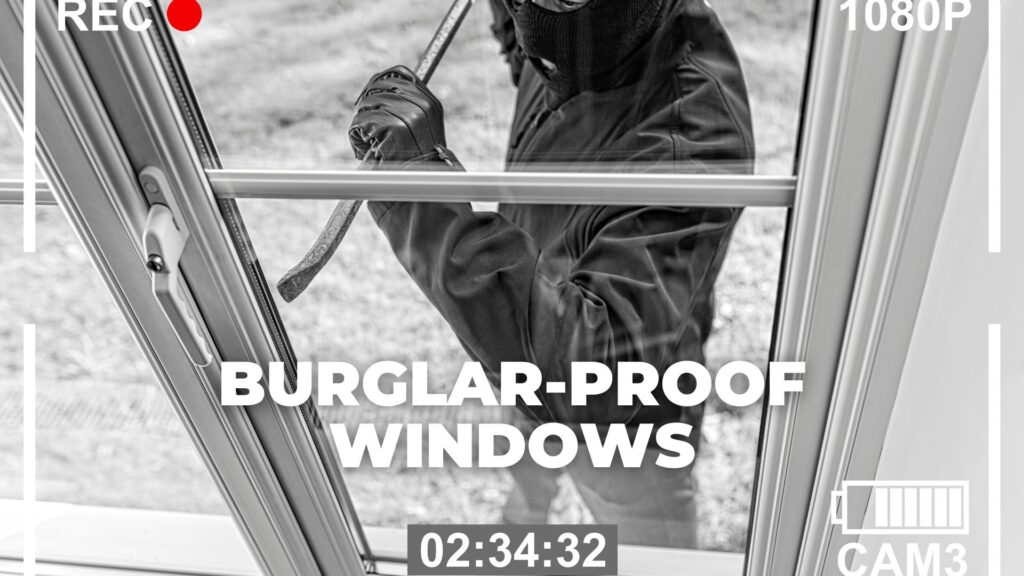
Most break-ins happen through windows — and the fix is easier than you think. Upgrading your window locks, adding security film, and setting up motion lights can stop a burglar before they even try.
Windows are one of the most overlooked entry points in any home. Many homeowners focus on door locks but forget that a loose latch or a dark side yard is all a burglar needs. The good news? Securing your windows doesn’t have to be expensive or complicated. With a few smart upgrades and simple habits, you can make your home a much harder target.
Key Takeaways:
- Weak factory latches are one of the biggest security risks in most homes.
- Window security film keeps glass together after impact, slowing down any forced entry attempt.
- Glass-break sensors and window alarms alert you the moment someone tries to force their way in.
- Motion-activated lights remove the hiding spots burglars depend on.
- Simple daily habits — like locking every window before leaving — go a long way.
- The best combo: upgraded locks + security film + alarms + exterior lighting.

Why Windows Are a Top Entry Point
Windows are a favorite target for burglars because most homes rely on flimsy factory latches that came stock with the window. These latches wear down over time, and many can be jiggled or pried open with basic tools in seconds.
Ground-floor windows, basement windows, and windows hidden by shrubs are especially vulnerable. Burglars look for easy, concealed access — and a poorly lit side yard with overgrown bushes is practically an invitation.
Best Window Security Upgrades
Smart window protection works in layers. No single fix is foolproof, but stacking a few solid upgrades makes your home a much tougher target than most.
Upgrade Your Window Locks
The very first thing to do is replace those weak factory latches. Here are your best options:
| Lock Type | Best For | Notes |
|---|---|---|
| Pin locks | Double-hung windows | Drills through the inner frame into the outer — cheap and effective |
| Keyed locks | Any window | Needs a key to open; great for ground-floor windows |
| Track locks / wedge locks | Sliding windows | Blocks the track so the window can’t slide open |
| Window bars or grilles | High-risk windows | Maximum security; check fire codes before installing |
Test every window in your home. If it wobbles or moves when locked, that latch needs replacing. A loose frame is a weak frame.
Add Window Security Film
Window security film is one of the most cost-effective upgrades you can make. It’s a thin, transparent layer applied directly to the glass. When someone strikes the window, the film holds the shattered pieces together — making entry slower, louder, and harder.
This is especially useful on ground-floor and basement windows where glass-smash entries are most common. Film doesn’t stop a determined person, but it buys time — and time is what triggers alarms and neighbors.
Consider Reinforced or Laminated Glass
For your highest-risk windows — like those facing a dark alley or a side yard — consider upgrading the glass itself:
- Laminated security glass bonds two glass panes with a tough inner layer. It resists shattering on impact.
- Polycarbonate shields are nearly unbreakable and can be mounted over existing windows.
- Window bars or grilles offer maximum physical resistance, though you’ll want egress-friendly designs for safety.
These upgrades cost more, but they’re worth it for windows in spots where a burglar could work unnoticed.
Install Glass-Break Sensors and Window Alarms
A glass-break sensor detects the specific sound frequency of shattering glass and immediately triggers your alarm. Window contact sensors alert you the moment a window is opened or forced.
When paired with a monitored home security alarm system, these sensors create a fast, reliable response chain — from the attempted break-in all the way to your phone or a monitoring center.
Smart Deterrents for the Outside
Burglars almost always do a quick scan of a property before attempting entry. Make your home look risky to approach — and most will move on.
Motion-Activated Lighting
Lighting is one of the cheapest and most powerful deterrents out there. Place motion-activated lights at:
- All ground-floor windows
- Side yards and dark corners
- Entryways and garage areas
A sudden bright light is startling. It draws attention, removes concealment, and signals that someone may be watching. Many modern lights also connect to security camera systems for added coverage.
Keep Landscaping Trimmed
Overgrown shrubs and tall hedges right under a window are basically a burglar’s best friend. They provide cover and hide activity from the street and neighbors.
Keep bushes trimmed below window level. Aim for clear sightlines from the street or neighboring homes. The more visible a window is, the less attractive it is as an entry point.
Use Visible Security Cameras
A camera in plain sight is a strong signal that this home is watched and recorded. Visible security camera placement near windows — especially front-facing and ground-floor ones — can discourage attempts before they even start.
Simple Daily Habits That Make a Big Difference
You don’t need a big budget to improve your window security today. These habits cost nothing but make your home measurably safer:
- Lock every window, every single time — including basement and second-floor windows that often get overlooked.
- Close windows fully before leaving, even on short trips. An open window is the easiest entry point of all.
- Add a wooden dowel or cut-down rod to the track of sliding windows. It’s a $2 fix that stops the window from sliding open even if the latch is defeated.
- Test each window regularly. Push and wiggle it when locked. If it moves, the latch or frame needs attention.
- Check windows after storms. Warped frames and weakened latches often follow heavy weather.
Step-by-Step: The Right Order to Upgrade
If you’re not sure where to start, follow this practical order — it prioritizes the highest-impact fixes first:
- Replace weak or worn-out locks on all windows, starting with ground-floor and basement ones.
- Add window alarms or glass-break sensors so any forced entry triggers an immediate alert.
- Install security film on ground-floor and vulnerable windows.
- Improve exterior lighting with motion-activated fixtures near windows and dark zones.
- Upgrade the most exposed windows with laminated glass, bars, or polycarbonate shields if needed.
For most homes, the sweet spot is: upgraded locks + security film + alarms + motion lighting. That combination covers the most common attack methods without breaking the bank.
Additional Details About Window Security
- 30% of burglars enter through a first-floor window, making ground-level windows the top priority. (Source: U.S. Department of Justice)
- Most residential break-ins take under 60 seconds. Anything that adds time to the entry attempt dramatically increases the chance the burglar gives up.
- Homes without security systems are 2.7x more likely to be targeted than those with visible alarms and cameras.
- Window security film can also provide UV protection and energy efficiency benefits — so it’s a multi-purpose upgrade.
- Older windows with wooden frames are especially vulnerable to forced entry due to warping over time. Professional repair or replacement may be the safest long-term fix.
Frequently Asked Questions
What is the best lock for sliding windows?
Track locks and wedge locks are the top choices for sliding windows. They physically block the track, so even if the factory latch fails, the window cannot slide open. A wooden dowel in the track is a simple, budget-friendly backup option.
Does window security film really work?
Yes — it works by holding shattered glass together after impact. It doesn’t prevent glass from breaking, but it slows down entry significantly and makes the attempt much noisier. For ground-floor windows, it’s one of the best-value upgrades available.
Are glass-break sensors worth it?
Absolutely. Glass-break sensors detect the specific sound of shattering glass and trigger an alarm instantly — even before an intruder gets through. When connected to a monitored alarm system, they’re one of the fastest-responding security tools available.
What windows should I secure first?
Start with ground-floor windows, basement windows, and any window hidden by shrubs or fencing. These are the most commonly used entry points because they offer both access and concealment.
Can I secure windows without spending a lot of money?
Yes. A wooden dowel in the sliding track, pin locks on double-hung windows, and a habit of locking every window are all free or near-free fixes. Adding security film is affordable, and motion-activated lights are widely available at low cost. A layered approach doesn’t have to be expensive to be effective.
Secure Your Windows — And Sleep Better at Night
Keeping your home safe starts with the windows. Strong locks, security film, glass-break sensors, and motion lighting form the core of any solid window security plan. Add smart daily habits and some exterior visibility work, and you’ve built a layered defense that most burglars simply won’t bother with.
The best time to upgrade your window security is before anything happens. Don’t wait for a close call to take action.
Ready to take your home security to the next level? The team at Callaway Security & Sound can help you assess your vulnerabilities, recommend the right upgrades, and handle professional installation from start to finish. Get in touch today — because peace of mind is worth it.