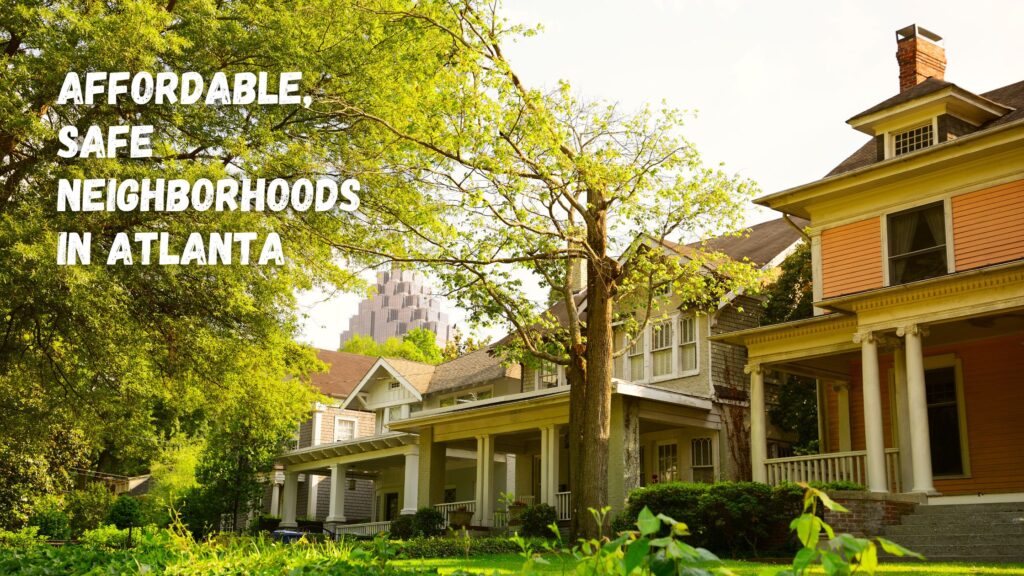
The safest neighborhoods in Atlanta are concentrated on the northern and eastern sides of the city, where crime rates run 27% to 38% lower than citywide averages. We’re talking about areas like North Buckhead, Morningside-Lenox Park, Candler Park, and Druid Hills—places where neighbors actually know each other, private security patrols keep watch, and families can walk to the park without looking over their shoulders.
Why Safety Matters When We’re Choosing Our Atlanta Home
When we’re searching for a place to call home in Atlanta, safety tops our list every single time. We want to park our cars without worrying about break-ins, let our kids ride bikes around the block, and sleep soundly knowing our community has our back. The good news? Atlanta offers plenty of neighborhoods where we can have exactly that lifestyle without breaking the bank or sacrificing the urban energy that makes this city so special.
Finding the right neighborhood means balancing what we can afford with where we feel secure. We’ve seen families move from sketchy areas to safer parts of town and watch their stress levels drop overnight. The difference between a high-crime zone and a protected community isn’t just statistics on paper—it’s the quality of life we experience every single day.
Key Takeaways:
- North Buckhead leads the pack with crime rates 27% below Atlanta’s average, thanks to organized neighborhood watch programs and private security patrols
- Morningside-Lenox Park offers premium safety with property crime rates 38% lower than the city average, backed by private security and tight community bonds
- Affordable safe options exist in neighborhoods like Grant Park and Brandon/Castlewood, where active community groups keep crime 30% below city averages
- Eastern neighborhoods deliver value with areas near Emory University and the CDC benefiting from campus security and professional populations
- Brookhaven combines urban perks with suburban safety, offering cultural activities alongside some of the lowest crime numbers in metro Atlanta
- Location matters tremendously—northern and eastern Atlanta consistently outperform southern and western areas for safety metrics
- Community involvement drives security—the safest neighborhoods share strong homeowner associations and regular safety updates

Understanding Atlanta’s Safety Landscape
Atlanta’s safety picture varies dramatically depending on where we plant our roots. The city stretches across multiple counties, and crime patterns shift block by block in some areas. We’ve noticed that neighborhoods with active community engagement, good lighting, and regular police presence consistently report fewer incidents than areas lacking these features.
The Atlanta Police Department divides the city into six zones, and crime statistics tell different stories in each zone. Northern sections generally report lower violent crime rates, while certain southern and western pockets struggle with higher numbers. But here’s what matters most: within every zone, we can find pockets of safety where residents have created their own secure environments through collective effort.
The Gold Standard: North Buckhead’s Security Success
North Buckhead stands out as one of our top picks for safe Atlanta living. This neighborhood doesn’t just rely on city police—residents chip in for private security patrols that cruise the streets regularly. We’re seeing crime rates here running 27% below the Atlanta average, which translates to real peace of mind for the professionals and families who’ve settled in.
What Makes North Buckhead So Secure
The neighborhood watch program here isn’t just a name on paper. Residents actually participate in monthly meetings, share security camera footage when needed, and coordinate with both private security and Atlanta PD. We’ve got well-maintained streets with excellent lighting, making it tough for anyone with bad intentions to operate unnoticed.
Access to quality schools, parks like Blackburn Park, and shopping centers means we don’t need to travel far for daily needs. The more people stay local and engage with their immediate community, the safer everyone becomes. North Buckhead proves this concept works beautifully.
Candler Park: Community-Driven Safety on a Budget
Candler Park offers us something special—solid safety numbers without the premium price tag of some northern neighborhoods. With crime rates approximately 35% lower than Atlanta’s average, this eastside gem shows what organized community associations can accomplish.
The Power of Active Neighborhood Associations
The Candler Park Neighborhood Organization doesn’t mess around when it comes to safety. They maintain constant communication with local police precincts, organize regular community walks, and quickly address any security concerns that pop up. We appreciate how this neighborhood balances affordability with genuine security measures.
The area features tree-lined streets, a walkable layout connecting homes to the MARTA station, and the gorgeous Candler Park itself. When neighbors regularly interact at the playground, local coffee shops, and community events, crime naturally drops. Criminals avoid places where everyone knows everyone—it’s just too risky for them.
Morningside-Lenox Park: Premium Safety for Families
If we’re looking at the upper end of Atlanta’s housing market, Morningside-Lenox Park delivers exceptional security alongside beautiful historic homes. Property crime here runs 38% below the city average—the lowest numbers we’ve seen in any Atlanta neighborhood.
Private Security and Natural Surveillance
Many blocks in Morningside-Lenox Park employ private security services that patrol around the clock. Combined with the neighborhood’s proximity to nature preserves and parks, we get both physical security and natural barriers that discourage crime. The quiet, tree-canopied streets create an environment where suspicious activity stands out immediately.
Residents here invest heavily in home security systems, motion-activated lighting, and well-maintained properties. When every house on the block takes security seriously, the entire neighborhood benefits. We’ve talked to families who moved here specifically because they wanted their kids growing up in a place where playing outside feels safe and natural.
Inman Park: Historic Charm Meets Modern Security
Inman Park brings us Victorian architecture, a thriving restaurant scene, and crime rates sitting 33% below the national average. This neighborhood proves that urban vibrancy and safety can absolutely coexist when communities prioritize both.
Smart Infrastructure and Police Responsiveness
The streets here stay well-lit throughout the night, and the Atlanta Police Department maintains an active presence. We’ve noticed police response times in Inman Park outpace many other city neighborhoods, partly because the community stays in constant dialogue with their local precinct.
Young professionals and established families share this neighborhood harmoniously, creating natural surveillance throughout different times of day. When we’ve got people walking dogs at dawn, parents pushing strollers at lunch, and couples heading to dinner in the evening, would-be criminals find few opportunities to strike unnoticed.
Druid Hills: Academic Presence Equals Added Security
Living near Emory University and the Centers for Disease Control comes with unexpected safety benefits. Druid Hills enjoys crime rates 31% below the national average, supported by campus security infrastructure and a highly educated, engaged population.
University Security Spillover Effects
Emory’s substantial security apparatus doesn’t stop at campus boundaries—it extends protective coverage to surrounding residential streets. We’re talking dedicated security vehicles, emergency call boxes, and lighting standards that exceed typical residential requirements. The CDC’s presence adds another layer of federal security awareness to the entire area.
The residential community here skews toward university employees, medical professionals, and families who value education. This population tends to invest in home security, participate in community planning, and maintain properties meticulously. We’ve found these factors combine to create an environment where crime struggles to take root.
Grant Park: Affordable Safety with Community Pride
Grant Park demolishes the myth that we must choose between affordability and security. This neighborhood delivers crime rates 30% lower than Atlanta’s average while maintaining home prices accessible to middle-class families.
Neighborhood Patrols and Clean Streets
Regular volunteer patrols supplement official police presence, and the neighborhood association stays incredibly active. We see residents organizing clean-up days, monitoring abandoned properties, and quickly reporting suspicious activity. This level of engagement keeps crime at bay without requiring expensive private security contracts.
The stunning Grant Park itself serves as the community’s living room, where families gather for festivals, weekend picnics, and casual socializing. When communities share public spaces this actively, they naturally develop the social bonds that make neighborhoods safer.
Brandon/Castlewood: Family-Focused Safety
Brandon and Castlewood neighborhoods often get mentioned together because they share similar characteristics—dedicated community groups, family-oriented environments, and crime rates well below both national and city averages.
These areas don’t make headlines, but that’s exactly why we appreciate them. They’re quiet, safe, and affordable places where families put down roots for decades. Community groups here organize block parties, coordinate school carpool groups, and maintain neighborhood directories so everyone knows their neighbors.
Brookhaven: Where Urban Meets Suburban Safety
Brookhaven recently incorporated as its own city, bringing enhanced local government focus to public safety. This urban-suburban hybrid offers low crime rates alongside access to restaurants, shopping, and cultural activities that rival any big city neighborhood.
Enhanced Municipal Services
As an independent city, Brookhaven controls its own police department, which maintains strong visibility throughout residential and commercial areas. We’ve noticed their community policing approach emphasizes relationship-building between officers and residents, leading to better crime prevention and faster response when issues arise.
The mix of apartments, townhomes, and single-family houses creates diverse communities where young professionals, growing families, and retirees all find their niche. This diversity strengthens neighborhood safety by ensuring people occupy the streets at all hours.
Argonne Forest: Elite Safety for High-Income Residents
Argonne Forest represents the pinnacle of residential security in Atlanta, with extremely low violent crime and minimal property offenses. This wealthy enclave achieves near-100% homeownership, contributing to its stability and security.
The neighborhood’s layout—winding streets with limited access points—naturally discourages through traffic and makes it easy for residents to spot unfamiliar vehicles. Combined with comprehensive home security systems and responsive private security, Argonne Forest maintains safety standards that rival the most secure suburbs anywhere.
Safety Features That Make These Neighborhoods Stand Out
Let’s break down exactly what makes these areas safer than others. We’re not talking about luck—these communities employ specific strategies that we can observe and measure.
Private Security and Patrols
Many top-safety neighborhoods supplement city police with private security services. These patrols operate on predictable schedules, creating multiple layers of surveillance that make criminal activity extremely risky. We’ve seen neighborhoods where private security responds to suspicious activity within minutes, often before city police even receive a call.
Active Community Watch Programs
The best neighborhood watch programs in Atlanta function like well-oiled machines. Members maintain text chains for instant communication, share doorbell camera footage when needed, and coordinate patrol schedules with both private security and police. We’re not talking about vigilante justice—just neighbors looking out for each other intelligently.
University and Institutional Security
Proximity to major institutions like Emory University, Georgia Tech, and the CDC brings professional security infrastructure that extends beyond campus boundaries. These security operations employ trained personnel, sophisticated technology, and rapid response protocols that benefit surrounding neighborhoods.
Strong Homeowner Associations
Neighborhoods with active HOAs consistently show lower crime rates. These organizations maintain street lighting, trim overgrown vegetation that could hide criminals, address abandoned properties quickly, and coordinate with city services for enhanced police presence during vulnerable times.
Comparing Crime Rates Across Safe Neighborhoods
| Neighborhood | Crime Rate vs. Atlanta Average | Crime Rate vs. National Average | Key Safety Features |
|---|---|---|---|
| North Buckhead | 27% lower | Not specified | Neighborhood watch, private patrols, organized community |
| Morningside-Lenox Park | 38% lower | Not specified | Private security, wealthy area, natural surveillance |
| Candler Park | 35% lower | Not specified | Strong neighborhood association, walkable design |
| Inman Park | Not specified | 33% lower | Excellent lighting, high police responsiveness |
| Druid Hills | Not specified | 31% lower | University security, educated population, CDC presence |
| Grant Park | 30% lower | Not specified | Volunteer patrols, active community engagement |
| Brandon/Castlewood | Much lower | Much lower | Family-oriented, organized community groups |
| Argonne Forest | Extremely low | Extremely low | Wealthy enclave, limited access, near-total homeownership |
| Brookhaven | Very low | Very low | Independent police department, mixed-use development |
These numbers tell us something crucial: safety doesn’t happen by accident. Every neighborhood on this list achieves low crime through deliberate community action, smart infrastructure, and consistent investment in security measures.
Affordable Safe Options for Budget-Conscious Families
We hear this question constantly: “Can we afford a safe neighborhood in Atlanta?” The answer is absolutely yes, though we need to adjust expectations about home size and amenities.
Grant Park and Candler Park Lead for Value
Both neighborhoods offer older homes requiring occasional updates, but their safety metrics rival much pricier areas. We’re finding decent starter homes here for prices that won’t crush our monthly budgets, while still enjoying crime rates 30-35% below city averages.
Brandon/Castlewood Delivers Suburban Safety
These neighborhoods provide more square footage per dollar than inner-city options while maintaining excellent safety records. The trade-off involves longer commutes to downtown, but for families prioritizing safety and space over proximity to nightlife, it’s a smart choice.
Look East for Better Value
Eastern Atlanta neighborhoods generally offer better safety-to-price ratios than equivalent western areas. We’ve noticed this pattern holds true across multiple price points, making the eastside our go-to recommendation for budget-conscious families.
What to Avoid: Higher-Crime Areas in Atlanta
While we focus primarily on safe options, we need to acknowledge that certain Atlanta neighborhoods struggle with elevated crime rates. Understanding where not to look helps us make smarter decisions about where to invest our housing dollars.
Southern and Western Pockets Show Higher Crime
Statistical data consistently shows higher crime rates in sections of southwest and west Atlanta compared to northern and eastern areas. This doesn’t mean every block in these areas is dangerous, but it does mean we need to research individual streets more carefully before committing.
Check Crime Maps Before Committing
Atlanta Police Department publishes crime maps showing recent incidents by type and location. We always recommend pulling up these maps and examining the specific blocks we’re considering. Crime patterns can shift dramatically from one street to the next, especially in transitional neighborhoods.
Talk to Current Residents
Online data only tells part of the story. We learn more from spending an hour talking to people who actually live in a neighborhood than from reading statistics for days. Ask about package theft, car break-ins, and whether people feel comfortable walking after dark. Their answers reveal ground-truth conditions that numbers sometimes miss.
Making Your Safety Decision: Practical Steps
Choosing a safe Atlanta neighborhood requires more than just reading articles like this one. We need boots on the ground, multiple visits at different times, and conversations with people already living there.
Visit at Different Times of Day
Drive through prospective neighborhoods during morning rush hour, midday, evening dinner time, and late at night. We learn different things from each visit. Morning tells us about commute patterns. Midday shows us who’s home during business hours. Evening reveals whether people sit on porches and walk dogs. Late night shows whether streets stay safely lit and occupied or turn dark and deserted.
Attend Community Meetings
Most neighborhood associations welcome prospective residents to their monthly meetings. These gatherings show us how engaged the community is, what issues currently concern them, and how they work together to solve problems. A neighborhood with 50 people at their safety meeting is fundamentally different from one where nobody shows up.
Check School Quality
Even if we don’t have kids, school quality correlates strongly with neighborhood safety. Areas with strong schools attract stable families who invest in their communities long-term. We’ve found this pattern holds true across Atlanta’s various neighborhoods.
Evaluate Walkability
Safe neighborhoods usually score high on walkability indices. When we can walk to coffee shops, restaurants, and parks, we naturally spend more time outside interacting with neighbors. This creates the social fabric that deters crime naturally.
Frequently Asked Questions About Safe Atlanta Neighborhoods
Which Atlanta neighborhood has the absolute lowest crime rate?
Argonne Forest and Morningside-Lenox Park compete for the lowest crime rates in Atlanta proper. Argonne Forest shows extremely low violent crime with mostly minor property offenses, while Morningside-Lenox Park reports property crime rates 38% below the city average. Both neighborhoods feature wealthy populations, private security, and tight-knit communities that maintain exceptional safety standards.
Can I find safe neighborhoods in Atlanta under $300,000?
Yes, Grant Park and Candler Park both offer safe environments with home prices starting below $300,000 for smaller properties. Brandon and Castlewood neighborhoods provide even more space for similar prices, though they’re located farther from downtown. These areas achieve crime rates 30-35% below Atlanta averages while maintaining affordability for middle-class families.
How does Buckhead compare to other safe Atlanta areas?
North Buckhead specifically ranks among Atlanta’s safest neighborhoods with crime rates 27% below the city average. The broader Buckhead area varies by specific location—northern sections near Chastain Park and Argonne Forest show exceptional safety, while areas closer to Buckhead Village experience more property crime due to heavy commercial traffic. We recommend focusing on residential pockets north of Piedmont Road for optimal safety.
Are there safe neighborhoods near MARTA stations?
Candler Park, Inman Park, and certain Brookhaven areas offer both MARTA access and strong safety records. Candler Park station serves a neighborhood with crime rates 35% below Atlanta’s average, while Inman Park station sits in an area 33% safer than the national average. These neighborhoods prove we don’t have to sacrifice transit access for security.
What safety measures should I take even in safe Atlanta neighborhoods?
We recommend installing comprehensive home security systems with cameras and motion sensors, maintaining exterior lighting on timers, securing garage doors and windows, joining neighborhood watch groups, and building relationships with immediate neighbors regardless of how safe statistics appear. Even the safest neighborhoods benefit when residents stay vigilant and communicate regularly about security concerns.
Building Our Safe Atlanta Future Together
The safest neighborhoods in Atlanta didn’t become that way overnight or by accident. Residents in places like North Buckhead, Morningside-Lenox Park, Candler Park, and Druid Hills built their security brick by brick through organized community action, investment in infrastructure, and genuine commitment to watching out for each other.
We’ve seen this pattern repeat across every safe neighborhood we’ve studied: when communities prioritize engagement over isolation, when they invest in proper lighting and security, when they build relationships with local police, and when they quickly address emerging problems, crime rates drop and stay low.
The beautiful truth about Atlanta’s safe neighborhoods is that most of us can afford to live in one. Whether we’re looking at premium options like Morningside-Lenox Park, mid-range choices like Inman Park and Brookhaven, or budget-friendly areas like Grant Park and Brandon, we’ve got solid options at every price point.
Our safety doesn’t depend on luck or chance—it depends on choosing wisely, engaging actively with our neighbors, and contributing to the community spirit that makes great neighborhoods function. Atlanta offers us plenty of places where we can sleep soundly, raise our families confidently, and build the lives we’ve imagined. The key is doing our homework, visiting prospectively, talking to current residents, and committing to being the kind of neighbor who makes our street safer just by living there.
When we invest in safe neighborhoods, we’re not just buying houses—we’re buying into communities that have proven they can create and maintain the security we all deserve. That’s the real story behind Atlanta’s safest neighborhoods, and it’s a story we can all become part of by making smart choices and staying actively engaged wherever we decide to call home.
Try looking at the most dangerous cities in Georgia, for more information. Or if you’re looking for more security, Callaway Security™ is here to help! Get a free Atlanta Home Security quote today!