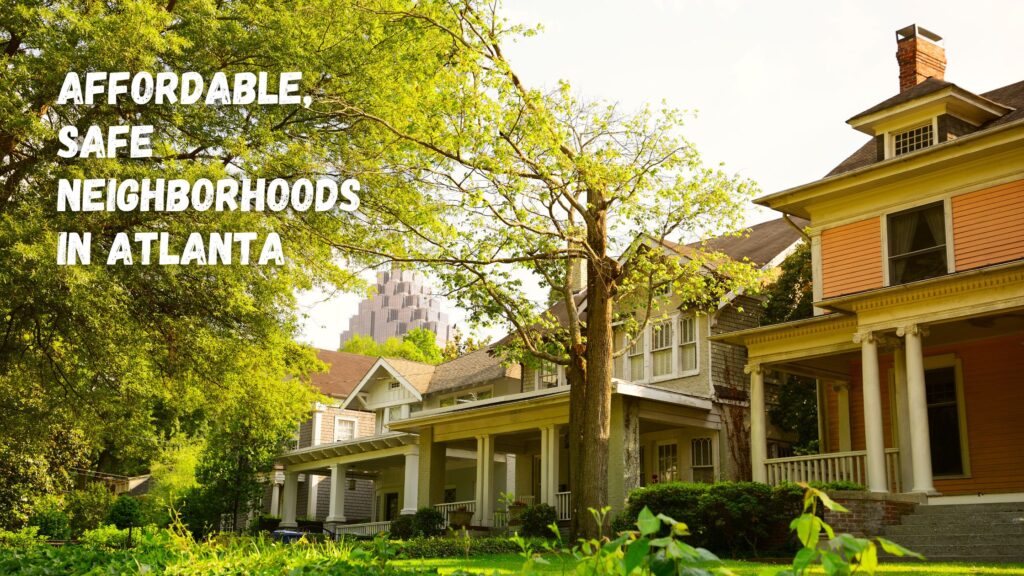
The safest neighborhoods in Atlanta are Buckhead/Vinings, Morningside–Virginia Highland, and Druid Hills, along with nearby suburbs like Johns Creek, Brookhaven, and Sandy Springs. These areas sit mostly in the north and northeast part of the metro, and they share a few things in common: low crime rates, tree-lined streets, and strong community pride.
If you’re house hunting in Atlanta and safety is at the top of your list, you’re already asking the right question. Atlanta is a big, spread-out city, and crime rates can swing a lot from one zip code to the next. Some blocks feel like a small town. Others, not so much. We put together this guide to help you figure out which neighborhoods actually live up to the “safe” label, backed by real data, not just gut feelings.
Key Takeaways:
- Buckhead and Vinings lead the pack for safety, luxury housing, and easy city access.
- Virginia Highland is often ranked the single safest neighborhood in Atlanta based on FBI crime data.
- Morningside and Druid Hills offer family-friendly streets near parks and top schools.
- Cabbage Town, Oakdale, and Edgewood–Kirkwood deliver solid safety at a more affordable price point.
- Suburbs like Johns Creek, Brookhaven, and Sandy Springs round out the safest spots in the wider Atlanta area.

Safest Areas Inside Atlanta City Limits
Atlanta’s safest pockets are clustered north of downtown, where housing tends to be older, established, and well-kept.
Buckhead, Vinings, and North Buckhead
Buckhead is the name most people know, and for good reason. North Buckhead, the Chastain area, and West Wesley all post low violent and property crime numbers, paired with upscale shopping, dining, and housing. Vinings, right next door, often gets named the single safest neighborhood in Atlanta by data sources like NeighborhoodScout.
Families and working professionals flock here for one simple reason: you get safety without giving up city convenience. It’s a win-win.
Morningside, Virginia Highland, and Piedmont Heights
Virginia Highland tends to top the charts as the safest neighborhood in Atlanta, based on recent FBI crime data. Morningside and neighboring Druid Hills, close to Emory University, also rank high, thanks to single-family homes, shaded streets, and easy access to parks and good schools.
Nearby Piedmont Heights East and Lake Claire deserve a shoutout too. Both are walkable, safe, and great for families who want a slower pace without leaving the city.
Cabbage Town, Oakdale, and Edgewood–Kirkwood
Not every safe neighborhood comes with a Buckhead price tag. Recent FBI-based rankings put Cabbage Town, Oakdale, and Edgewood–Kirkwood among Atlanta’s safest, and the housing costs are noticeably friendlier on the wallet. If you’re trying to balance safety with your budget, these spots are worth a serious look.
Safest Suburbs Near Atlanta
Plenty of folks searching for “safe Atlanta neighborhoods” actually mean the wider metro area. Here’s how the top suburbs stack up:
| Suburb | Safety Highlight |
|---|---|
| Johns Creek | A+ crime grade, ~94th percentile nationally, great schools |
| Brookhaven | B+ grade, 75th percentile, close to downtown but quiet |
| Sandy Springs | Top 5 in the region, big parks, strong retail |
| Alpharetta / Peachtree City | Very safe, popular with families and retirees |
These suburbs give you that safe, low-key feel while still keeping Atlanta within reach for work or a night out.
How to Narrow Down Your Choice
Picking a neighborhood is personal, so here’s a simple way to think about it:
- Want max safety plus city life? Look at North Buckhead, Vinings, Virginia Highland, Morningside, or Druid Hills.
- Want safety on a budget, or more suburban space? Check out Johns Creek, Brookhaven, Sandy Springs, or Atlanta pockets like Cabbage Town, Oakdale, and Edgewood–Kirkwood.
From there, dig into the details:
- Pull up a crime map (NeighborhoodScout or City-Data are solid starting points) and check the exact street, not just the zip code.
- Pair a low-crime area with smart home security features — think newer construction, good lighting, gated entries, and room for cameras or smart locks.
Frequently Asked Questions
What is the safest neighborhood in Atlanta right now?
Virginia Highland and Vinings are the two names that show up most often at the top of safety rankings, based on recent crime data.
Are Buckhead neighborhoods actually safe?
Yes, especially North Buckhead, Chastain, and West Wesley. These areas have consistently low violent and property crime rates.
Is it cheaper to find a safe neighborhood outside Atlanta?
Often, yes. Suburbs like Johns Creek and Brookhaven offer strong safety ratings, and areas like Cabbage Town or Oakdale inside the city give you safety at a lower cost than Buckhead.
How do I check crime rates for a specific Atlanta street?
Use a crime mapping tool like NeighborhoodScout or City-Data. They break crime data down by block, not just neighborhood, so you get a clearer picture.
Does home security matter even in a safe neighborhood?
Absolutely. Even the safest neighborhoods benefit from good lighting, cameras, and monitored alarms. Safety is a mix of location and the right home security setup.
Final Thoughts on Choosing a Safe Atlanta Neighborhood
Finding a safe place to call home in Atlanta comes down to location, budget, and a little homework. Try looking at the most dangerous cities in Georgia, for more information. Whether you land in Buckhead, Virginia Highland, or a quieter suburb like Sandy Springs, pairing a safe neighborhood with smart home security gives you real peace of mind.
Ready to add that extra layer of protection? Callaway Security & Sound can help you set up home security that fits your neighborhood and your budget. From professional installation and 24/7 alarm monitoring to security cameras, repairs, and system upgrades, we’ve got your home covered. Contact us today and let’s talk about keeping your family safe.