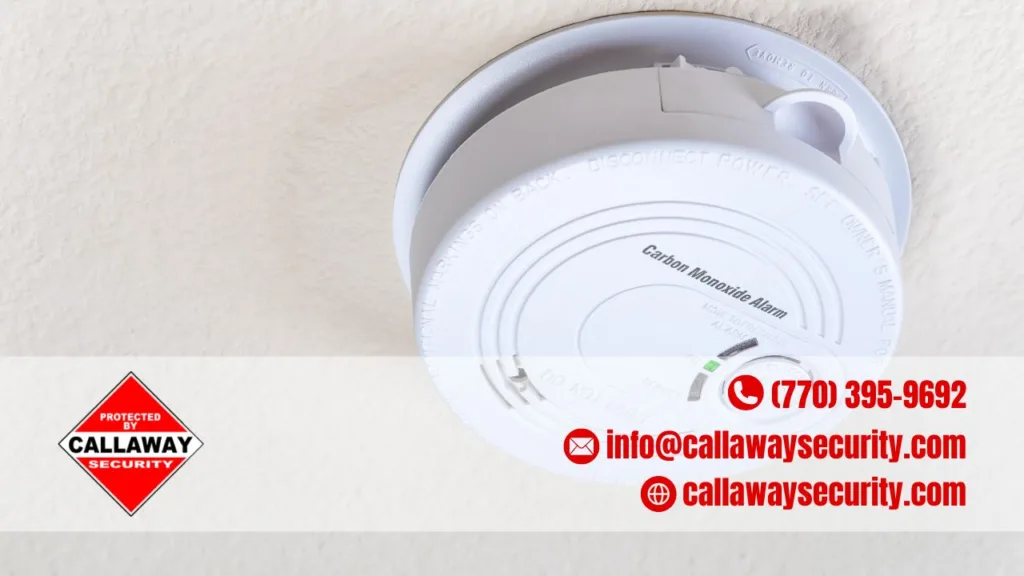
Most homes need at least one carbon monoxide detector on every floor, plus one near each sleeping area. For a typical two-story house with bedrooms upstairs, this usually means 2 to 4 detectors. Bigger homes, extra sleeping wings, or fuel-burning appliances often call for a few more.
Carbon monoxide (CO) is a gas you can’t see or smell. It comes from furnaces, gas stoves, water heaters, fireplaces, and attached garages. Since you can’t sense it yourself, your home needs enough detectors to sense it for you. Let’s break down exactly how many you need and where to put them, so you’re not left guessing.
Key Takeaways:
- Install one CO detector on every level of your home, including the basement.
- Add one detector outside each separate sleeping area so it can wake you at night.
- Homes with an attached garage or fuel-burning appliances need extra coverage near those spots.
- Keep detectors at least 15 feet away from appliances like furnaces and water heaters to avoid false alarms.
- Most single-family homes need 3 to 4 detectors total, though small homes may need fewer.

The Simple Rule for Counting CO Detectors
Here’s an easy formula you can follow room by room and floor by floor.
One Detector Per Floor
Every level of your house needs its own CO detector. This includes the basement, even if nobody sleeps down there. CO doesn’t stay put. It spreads through your home’s airflow, so a leak in the basement can reach a bedroom upstairs. A detector on each floor catches the gas early, no matter where it starts.
One Detector Near Each Sleeping Area
Place a detector outside every separate group of bedrooms. You’re most at risk while sleeping, since CO poisoning has no smell to wake you up. If your bedrooms are split into two wings of the house, you need a detector near each wing, not just one for the whole floor.
One Near Fuel-Burning Appliances or an Attached Garage
Furnaces, gas stoves, gas dryers, and cars in an attached garage all produce carbon monoxide. Add a detector near these areas for extra protection. Just don’t place it right next to the appliance. Keep it a bit of distance away, since sudden bursts of exhaust can trigger false alarms.
How Many Detectors Does Your Home Actually Need?
Home size and layout change the exact number. Here’s a quick guide.
| Home Type | Suggested Number of Detectors |
|---|---|
| Small one-story home | 1–2 |
| Typical two-story home | 2–4 |
| Large home with multiple wings or levels | 4+ |
| Home with attached garage or gas appliances | Add 1 per source area |
If your home has an open layout, split bedroom wings, or a finished basement used as a living space, plan for extra coverage in each of those zones.
Where NOT to Place Carbon Monoxide Detectors
Placement matters as much as the count. A few spots to avoid:
- Right next to fuel-burning appliances — stay about 15 feet away.
- Inside the attic — extreme temperatures can affect sensor accuracy.
- Directly on the ceiling — unlike smoke detectors, CO detectors work best at knee-height or eye-level, since CO mixes evenly with air rather than always rising.
- Near windows, doors, or vents — drafts can throw off readings.
For a visual walkthrough of proper placement, this video from the Indoor Air Quality Association covers exactly where alarms should and shouldn’t go: Carbon Monoxide Detector & Alarm Placement.
Why Getting the Number Right Matters
Skimping on detectors leaves gaps in coverage. CO poisoning symptoms mimic the flu, so many people don’t realize they’re being exposed until it’s serious. The more overlapping coverage you have across floors and sleeping zones, the faster you’ll catch a leak before it becomes dangerous.
If you’re upgrading your whole home safety setup, it’s worth pairing CO detectors with a proper fire alarm system for full coverage against both smoke and gas hazards.
Frequently Asked Questions
Can I use one carbon monoxide detector for my whole house?
You can, but it’s not recommended. One detector might work for a very small home, but it won’t cover multiple floors or separate sleeping areas well. More detectors mean faster detection, wherever the leak starts.
Do I need a CO detector in every bedroom?
Not necessarily inside every bedroom, but you do need one outside each sleeping area. If bedrooms are grouped together, one detector in the hallway is usually enough to cover them.
How close should a CO detector be to a gas appliance?
Keep it at least 15 feet away. Placing it too close can cause nuisance alarms from normal appliance exhaust, even when there’s no real danger.
Where should I put a CO detector in a one-story home?
A hallway near the bedrooms is usually the best spot. If your home has a single sleeping area, one well-placed detector there can cover most of the space.
How often should I replace my carbon monoxide detectors?
Most CO detectors last 5 to 7 years. Check the manufacturer’s date on the unit, and test the alarm monthly to make sure it’s still working.
Final Thoughts on Carbon Monoxide Detector Placement
Getting the right number of carbon monoxide detectors comes down to your home’s layout: one per floor, one near each sleeping area, and extras near fuel-burning appliances or an attached garage. Following this rule keeps every corner of your home covered against a gas you can’t see or smell.
If you’d like an expert to walk through your home and map out the exact placement and count you need, Callaway Security & Sound can help. From fire alarm system installation to routine safety inspections, our team can make sure your home is fully protected. Contact Callaway Security & Sound today to get started.