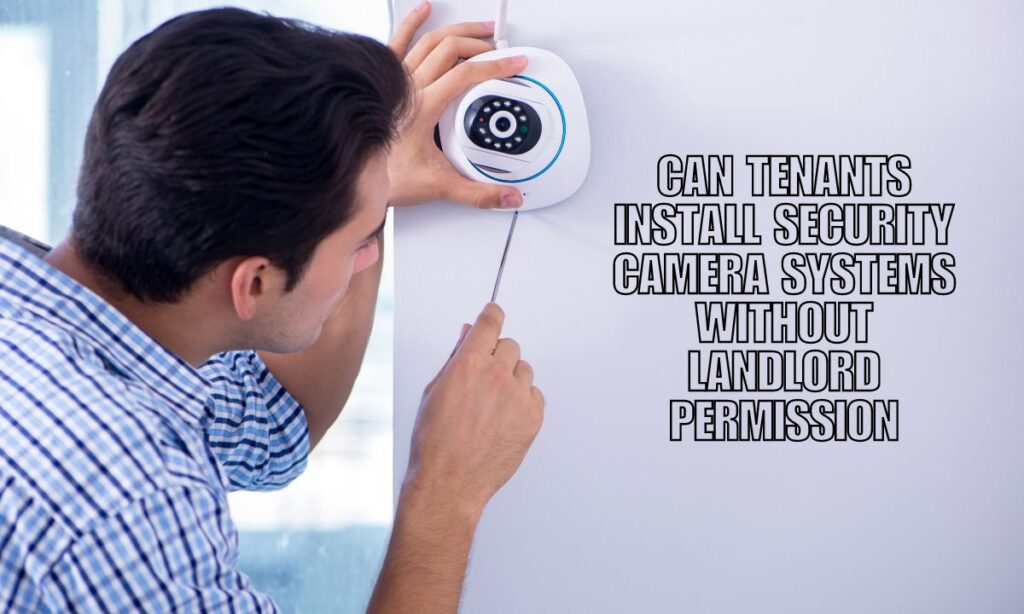
A tenant generally cannot install a permanent security system without landlord permission. Most leases treat alarms, wired cameras, and smart locks as property alterations, so installing them without approval can lead to lease violations.
Tenants want better safety, and security systems are a smart solution. However, rental properties come with rules. Landlords control structural changes, and most security installations fall under that category. The key is knowing what requires approval and what does not.
Key Takeaways:
- A tenant usually needs landlord approval for permanent systems
- Lease agreements classify most security setups as alterations
- Non-permanent devices are often allowed
- Privacy laws affect camera placement and recording
- Written permission helps avoid disputes and penalties
Why Landlord Permission Matters
Landlord permission matters because permanent installations can change the property. Security systems often involve drilling, wiring, or modifying entry points.
What counts as an alteration?
An alteration is any change that affects the structure or fixtures.
- Drilling holes for cameras or sensors
- Running wires inside walls
- Installing hardwired alarm systems
- Replacing or upgrading door locks
If a tenant installs these without approval, the landlord may:
- Charge for repairs
- Deduct costs from the security deposit
- Issue a lease violation notice
- Start eviction in serious cases
What a Tenant Can Install Without Permission
A tenant can often install non-permanent security devices. These do not damage the property and are easy to remove.
Common renter-friendly security options
- Stick-on wireless cameras
- Battery-powered motion detectors
- Doorbell cameras that do not require drilling
- Portable alarm systems
These solutions give tenants added protection while staying within lease rules.
Privacy Laws Every Tenant Should Know
Privacy laws affect how security systems are used. Even if a device is allowed, misuse can create legal issues.
Basic privacy guidelines
- Cameras should not face shared hallways or neighboring units
- Recording audio may require consent, depending on local laws
- Surveillance should stay within the tenant’s private space
Failing to follow privacy rules can lead to legal consequences.
How a Tenant Should Request Permission
A tenant can improve approval chances by making a clear and simple request.
Steps to follow
- Review the lease for “alterations” or “fixtures” clauses
- Send a written request to the landlord
- Describe the system and installation method
- Confirm that no damage will occur or that repairs will be handled
Example request idea
- “The tenant plans to install a wireless security camera near the entrance.”
- “The system will not require drilling or wiring.”
- “The tenant will restore the area before move-out.”
This approach builds trust and shows responsibility.
Types of Security Systems Compared
| Type of System | Needs Permission | Causes Damage | Easy to Remove |
|---|---|---|---|
| Wired alarm system | Yes | Yes | No |
| Smart lock replacement | Yes | Sometimes | Medium |
| Wireless camera (stick) | Usually No | No | Yes |
| Portable alarm kit | No | No | Yes |
Additional Details About Tenant Security Systems
- Lease terms vary by landlord and location
- Some regions allow minor upgrades if no damage occurs
- Wireless and smart home devices are growing in popularity
- Approved systems may improve renter safety and peace of mind
FAQs
Can a tenant install a doorbell camera like Ring Video Doorbell?
Yes, if installation does not damage the property and follows lease terms.
Can a landlord deny a tenant’s security system request?
Yes, a landlord can refuse, especially for permanent or wired systems.
Can installing a security system affect the lease?
Yes, unauthorized installations can result in lease violations.
Can a tenant change locks for safety?
Only with landlord approval in most cases.
What happens if a tenant installs a system without permission?
The tenant may face repair charges, deposit deductions, or eviction risks.
Balancing Tenant Safety and Landlord Rules
A tenant can improve safety, but must follow lease rules first. Landlord approval protects both the property and the tenant. When approval is not possible, renter-friendly systems offer a safe and simple alternative.
When a tenant or landlord wants a safe, compliant setup, Callaway Security & Sound delivers professional guidance and installation. The team designs custom security systems that match lease rules, property layouts, and privacy laws. From wireless cameras to full alarm systems, every setup is planned with care and long-term reliability in mind.
Reach out today to discuss a solution that keeps properties secure—without risking lease violations or costly mistakes.