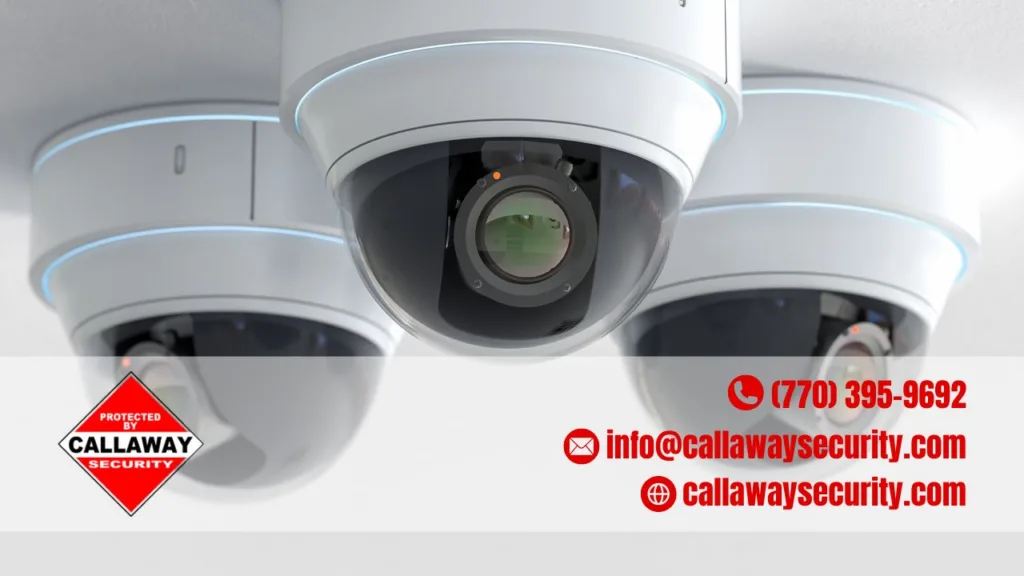
Most homes need 4 to 6 security cameras for solid coverage. A small apartment may only need 1 to 2, while a large or oddly shaped property may need 6 to 8 or more. The right number depends on your entry points and blind spots, not just your square footage.
Your home isn’t the same as your neighbor’s, so your camera count shouldn’t be either. We’re going to walk you through how to figure out the exact number your property needs, where to put each camera, and what to keep in mind before you buy. By the end, you’ll be able to plan a system that actually covers your home instead of guessing and hoping for the best.
Key Takeaways:
- Apartments and small homes usually need 2 to 3 cameras.
- Typical single-family homes do well with about 4 cameras: front door, driveway, backyard, and a side or rear entrance.
- Larger homes or corner lots often need 6 to 8 cameras to cover garages, gates, and pool areas.
- Detached garages, sheds, and long driveways each deserve their own camera.
- A rough planning rule is one camera per 500 square feet, but layout and entry points matter more than size alone.
- Your recorder (NVR/DVR) should have extra channels so you can add cameras later without buying a new system.

How Many Cameras Does Your Home Actually Need?
The number of cameras you need comes down to your home’s size, layout, and entry points. A camera’s job is to watch a door, gate, or path — not to fill empty space. So instead of asking “how many cameras fit my square footage,” ask “how many ways can someone reach my house?”
Apartment or Small Home: 2–3 Cameras
If you live in an apartment or a small house, you likely only have one or two ways in. A camera at your front door and one covering a side entrance or parking spot often does the job. A video doorbell can even cover two needs at once — it watches your entryway and lets you see who’s knocking, wherever you are.
Typical Single-Family Home: 4 Cameras
A standard home usually calls for four cameras, placed at the:
- Front door
- Driveway or vehicle area
- Backyard or rear door
- Side passage or secondary entrance
This setup covers the paths burglars use most. Most break-ins happen through a front or back door, so these four spots give you the most protection for your budget.
Larger Home or Corner Lot: 6–8 Cameras
Bigger properties have more ground to watch. If you’re on a corner lot, own a pool, or have a gated yard, you’ll want to add cameras for the:
- Garage
- Extra side yard
- Gate or fence line
- Pool area
Outbuildings and Long Driveways
A detached garage, shed, or workshop is easy to overlook, but it’s also an easy target since it’s often out of view from the house. Add at least one camera for each outbuilding or separate access route on your property.
Where Should You Actually Place Your Cameras?
Placement matters more than the camera count. Here’s a simple order to follow when planning your setup:
- Front door or video doorbell — the most common entry point.
- Driveway and vehicle area — keeps an eye on cars and package deliveries.
- Backyard or rear door — a common blind spot for many homes.
- Side passage, gate, or hidden approach — anywhere someone could sneak by unseen.
- Garage or detached building — if you have one.
- Indoor camera — only where it’s useful, like a main hallway, entryway, or a room with valuables.
Aim your cameras so they can clearly identify a person’s face at doors and gates. And be a good neighbor: avoid pointing cameras directly into a neighbor’s yard or windows, where people reasonably expect privacy.
Don’t Forget System Capacity
If you’re planning four or more cameras, your recorder matters just as much as the cameras themselves. Choose an NVR or DVR with extra channels — for example, an 8-channel recorder for a 4-camera system. This gives you room to expand later without replacing the whole setup.
| Home Type | Suggested Cameras | Recommended Recorder Channels |
|---|---|---|
| Apartment / small home | 2–3 | 4-channel |
| Single-family home | 4 | 8-channel |
| Larger home / corner lot | 6–8 | 8–16 channel |
A commonly cited planning estimate is one camera per 500 square feet of property. That said, doors, gates, lighting, and obstructions matter more than raw square footage. Two homes the same size can need very different camera counts, depending on how many ways in they have.
For a closer look at how these systems come together, this video breaks down the basics of choosing the right number of cameras for your home.
A Simple Way to Start
If you’re not sure where to begin, keep it simple:
- Start with four outdoor cameras at your main entry points.
- Test your coverage during the day and at night.
- Add cameras only where you find blind spots.
This approach saves you from overspending on a system you don’t need, while still keeping your home covered. If you’d like extra guidance, a professional home security assessment can map out your property’s exact blind spots for you.
Frequently Asked Questions
How many security cameras do I need for a small house?
Most small homes or apartments do fine with 2 to 3 cameras, usually placed at the front entrance and one other access point like a side door or parking area.
Is one camera enough for home security?
One well-placed camera, like a video doorbell, can be enough if your home has a single main entry point. Larger homes with multiple doors or a backyard usually need more.
Where should I put my first security camera?
Your front door is the best place to start. It’s the most common point of entry and the spot where most visitors, delivery drivers, and unwanted guests will show up first.
Do I need an indoor security camera too?
Not always. Indoor cameras are most useful in a main hallway, entryway, or a room where you keep valuables. Many homeowners find outdoor coverage is enough on its own.
How many channels should my NVR or DVR have?
Buy a recorder with more channels than your current camera count. If you’re installing 4 cameras, an 8-channel recorder gives you room to add more later without an upgrade.
Bringing It All Together
Figuring out how many security cameras you need doesn’t have to be complicated. Focus on your entry points, not your square footage, and you’ll land on the right number for your home. Start with the basics — front door, driveway, backyard, and side entrance — then add coverage where you find gaps.
Every home is different, and the best way to know exactly what yours needs is to have it looked at by a professional. Our team at Callaway Security & Sound can walk your property, spot the blind spots, and design a security camera system built around your home — not a generic template. We also handle installation, alarm monitoring, repairs, and system upgrades if you already have cameras in place.
Ready to get your home covered the right way? Contact us today for a free consultation, and let’s build a system that fits your home perfectly.