Securing basement windows means locking them properly, reinforcing the glass, adding bars or grilles, covering window wells, improving lighting, and installing sensors or cameras. These steps close off one of the easiest ways burglars get into a home.
We know basement windows can feel like an afterthought. They sit low, they’re often hidden by bushes or window wells, and nobody really watches them. But that’s exactly why they’re a favorite target for break-ins. In this guide, we’ll walk through practical, budget-friendly ways to lock down your basement windows — from quick fixes you can do this weekend to upgrades that give you real peace of mind.
Key Takeaways:
- Lock every window. Upgrade weak latches to keyed or multi-point locks.
- Reinforce the glass. Security film or laminated glass slows down intruders.
- Add bars or grilles. Fixed steel bars or quick-release grilles block entry.
- Cover window wells. Locking covers stop wells from becoming a hiding spot or a step up.
- Light up the area. Motion-activated floodlights remove the cover of darkness.
- Use sensors and cameras. Glass-break detectors and cameras alert you the moment something’s wrong.

Why Basement Windows Need Extra Attention
Basement windows sit close to the ground, tucked away from streetlights and neighbors’ eyes. This makes them an easy, quiet entry point for anyone looking to break in. They’re also often smaller and older than the rest of a home’s windows, which means the locks can be outdated or worn out.
On top of that, basements usually store valuables — tools, bikes, seasonal gear — and sometimes lead straight into the rest of the house. Securing these windows protects both your belongings and your family’s safety.
Quick, High-Impact Steps
If you only have an afternoon, start here. These steps stop most casual intruders in their tracks.
Lock windows at all times. Swap basic latches for keyed or multi-point locks. Look for hardware rated ANSI Grade 2 or higher — it’s a simple way to know you’re getting real strength, not just a flimsy latch.
Reinforce the glass. Clear security film holds glass together even when it cracks. Laminated or tempered glass takes this a step further, since it resists shattering in the first place.
Install window bars or grilles. Fixed steel bars offer the most strength. Quick-release bars work too, and they still meet fire codes for emergency escape — important if the room below is a bedroom or living space.
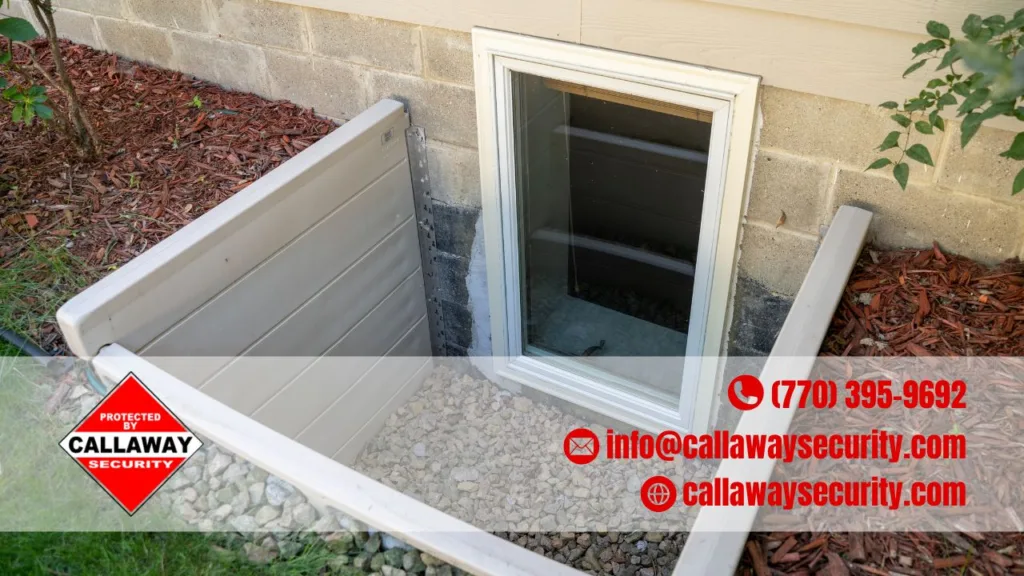
Secure window wells. A locking metal or heavy-duty plastic cover keeps wells from becoming a hidden entry point or a step for climbing up to other windows.
Improve lighting and visibility. Motion-activated floodlights near basement windows catch anyone lurking. Trimming shrubs nearby also helps neighbors and passersby actually see the window.
Add sensors and alarms. Window contact sensors, glass-break detectors, and motion-triggered cameras send you an alert the moment someone tampers with a window. Pairing this with a monitored alarm system means help can be on the way fast.
This video walks through a real basement bar installation on a window with unusual dimensions, which is a common headache with older basements: How to Install Basement Security Bars.
Layered Security by Budget
Not everyone wants to spend the same amount, and that’s fine. Basement window security works in layers, so you can start small and build up over time.
Low-Cost, DIY-Friendly Options
These are the easiest wins, and most take under an hour.
| Upgrade | What It Does |
|---|---|
| Rearrange interior items | Removes anything that could be used to climb in or hide valuables from view |
| Security film | Keeps glass shards together, adding time and noise to any break-in attempt |
| Sash or pin locks | Blocks sliding or hopper windows from being forced open |
| Security decals | Raises the perceived risk, even without a full alarm system |
| Motion lighting + landscaping | Makes the area harder to approach unseen |
Mid-Range Upgrades
Ready to invest a bit more? These options add real physical barriers.
- Upgrade the locks. Replace old latches with keyed or interior-only locks, and check that the frame and hardware are solid enough to hold them.
- Install security bars or grilles. Have them professionally fitted with tamper-proof screws so they can’t be removed from outside.
- Add window well covers. Locking grates keep intruders from using the well at all.
- Install sensors and cameras. Door and window sensors, glass-break sensors, and a camera aimed at the window well give you eyes on the area around the clock. A security camera system is one of the most effective deterrents out there.
Higher-End Options
For long-term peace of mind, consider full replacements and integrated systems.
- Reinforced glass. Laminated or double-pane safety glass resists impact far better than standard panes.
- Security-rated windows. These come with reinforced frames, multi-point locks, and vents that lock too.
- Integrated alarm system. Hardwired sensors tied into a monitored system mean alerts go straight to a professional response team.
How to Install Window Bars or Grilles
Installing bars yourself is doable if you’re comfortable with basic tools. Here’s the process, step by step.
- Measure the window opening. Record the exact width and height — a small error here means the bars won’t fit right.
- Cut the bars to size. Use a metal-cutting saw and clamp the bars securely while cutting.
- Mark and drill pilot holes. Mark the frame’s corners and sides, then drill pilot holes that match your screw size.
- Use tamper-proof fasteners. Non-reversing security screws keep the bars from being unscrewed from outside.
- Test the fit. Make sure the bars sit tight with no gaps, and confirm the window still opens and closes as it should.
If the window serves as a fire escape (egress), go with interior bars that have a quick-release mechanism. This keeps you safe from break-ins without trapping anyone inside during an emergency.
Not up for a DIY project? A professional security installation ensures everything is fitted correctly the first time.
Keeping Your Basement Windows Secure Long-Term
Security isn’t a one-and-done job. A little upkeep keeps everything working the way it should.
- Check locks and frames twice a year. Look for rust, rot, loose screws, or warped frames, and fix issues right away.
- Keep lights working. Replace burnt-out bulbs and test motion sensors regularly.
- Keep window wells clear. Leaves, snow, and debris stop covers from seating properly and can clog drains.
- Never leave a window cracked open. Even a small gap can be pried wider. Use a vent lock if you need airflow.
If your system needs a tune-up, a repair service or a full security upgrade can bring older hardware back up to standard.
Frequently Asked Questions
What is the best way to secure a basement window?
A layered approach works best: strong locks, reinforced glass, bars or grilles, a covered window well, and a sensor or camera watching the area. No single fix covers everything on its own.
Are basement window bars legal?
Yes, in most areas, as long as bars on egress windows (like basement bedrooms) include a quick-release mechanism so people can still escape during a fire. Check your local building code to be sure.
How much does it cost to secure basement windows?
Costs range widely. DIY fixes like film and locks can cost under $50 per window, while professional bars, covers, and monitored sensors can run several hundred dollars per window, depending on materials and labor.
Can burglars break through basement window security film?
It’s much harder. Security film holds shattered glass together, which slows down forced entry and creates noise that draws attention — often enough to make an intruder give up.
Do window well covers help with more than security?
Yes. Beyond blocking entry, covers keep leaves, rain, and snow out of the well, which protects the window seal and helps prevent water damage inside the basement.
Final Thoughts on Securing Basement Windows
A secure basement starts with the windows, since they’re often the weakest point in a home’s defense. Locking hardware, reinforced glass, bars, covered wells, good lighting, and smart sensors work together to turn an easy target into a real deterrent. Start with the quick wins, then build up as your budget allows — every layer you add makes your home that much harder to break into.
Ready to take the next step? Callaway Security & Sound can help you design and install a basement window security plan that fits your home and your budget. Get in touch with our team today to get started.