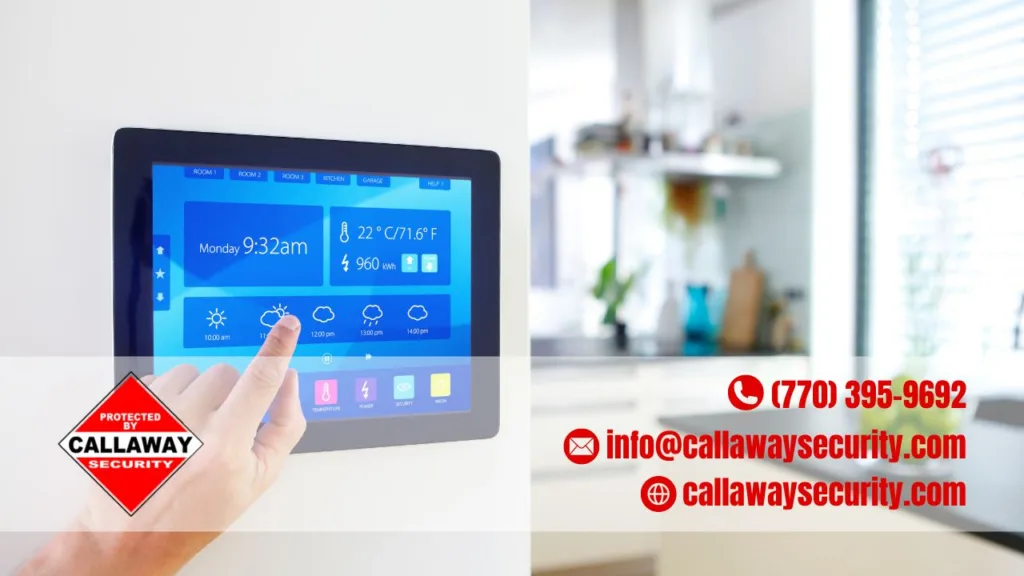
A smart home lets us control our devices from a phone, a voice assistant, or a hub. Home automation goes one step further and lets those same devices act on their own, without us lifting a finger. That’s the short version. Smart home is about control. Home automation is about autonomy.
Now let’s dig into what that actually looks like in everyday life. We hear these two terms tossed around like they mean the same thing, but they don’t quite match up. A smart home is the “remote control” version of your house. Home automation is the “it just happens” version. Most modern setups blend both, which is exactly why folks mix them up so often. By the end of this article, we’ll know exactly which is which, and how they work together to make life at home easier.
Key Takeaways:
- A smart home means we control devices remotely, like locking a door or checking a camera from our phone.
- Home automation means devices act on a schedule, a rule, or a sensor trigger, with no input from us.
- A smart home can include automation, but automation can run as its own system too.
- The two terms overlap a lot, but the difference comes down to who’s “driving”: us, or the system itself.
- Most homes today use a mix of both for comfort, safety, and energy savings.
What Is a Smart Home?
A smart home is a house full of connected devices that we control ourselves, usually through an app, a hub, or our voice. Think lights, locks, thermostats, and cameras, all linked up so we can manage them from anywhere.
How Smart Home Control Works
Here’s the simple version: we tap a button, and the device listens.
- We open an app and lock the front door from work.
- We pull up a live camera feed to check on the dog.
- We adjust the thermostat from bed instead of getting up.
The common thread? We’re the one making the call, every single time. The house waits for us to act first.
What Is Home Automation?
Home automation is when devices act by themselves, based on rules we’ve already set up. No app-tapping required. The system handles it.
How Home Automation Works
Instead of us pressing a button, the house follows a routine we built once and forgot about.
- Lights switch on automatically at sunset.
- The thermostat warms up the house before our alarm even goes off.
- A motion sensor triggers the alarm system the second someone steps onto the porch at night.
This is where things get genuinely handy. We set the rule one time, and the system runs it forever, rain or shine. If you want to see what a fully automated setup can look like in your own home, Callaway’s home automation services walk through real options worth considering.
Smart Home vs Home Automation: Side-by-Side
Sometimes a quick table makes everything click faster than paragraphs ever could.
| Feature | Smart Home | Home Automation |
|---|---|---|
| Who acts first | You | The system |
| How it’s triggered | App, voice, or hub command | Schedule, rule, or sensor |
| Example | Locking a door from your phone | Door locking itself at 10 PM |
| Best for | On-the-go control | Hands-off convenience |
| Needs you present? | Yes, in the moment | No, runs on its own |
Can a Smart Home and Home Automation Work Together?
Yes, and honestly, that’s how most setups work these days. A smart home gives us the control panel. Home automation gives that panel a brain. We might use an app to peek at a camera feed (smart home), while the porch light still flips on by itself every evening at dusk (automation). One doesn’t cancel out the other. They stack.
A Quick Real-Life Example
If we check and lock our door using an app, that’s smart home control, plain and simple. If that same door locks itself every night at 10 PM without us touching anything, that’s home automation doing its job. Same door, two completely different jobs being done.
Why This Difference Actually Matters
Knowing the difference helps us pick the right setup instead of just buying gadgets at random. A smart home is great if we travel a lot and want eyes on the house. Home automation shines for routines we don’t want to think about, like lights, locks, and climate control running like clockwork. Most security companies build systems that lean on both, since safety works best when it’s automatic and controllable at the same time.
Frequently Asked Questions
Is a smart home the same as home automation?
Not exactly. A smart home is about us controlling devices remotely, while home automation is about devices acting on their own through rules or sensors.
Do I need home automation to have a smart home?
No. A smart home can work with just remote control, no automation required, though most people end up adding automation for convenience.
What’s an example of home automation without a smart home app?
A simple timer that turns lights on and off at set times is home automation, even without a fancy app involved.
Which one saves more energy, smart home or home automation?
Home automation usually saves more energy long-term, since thermostats and lights adjust automatically instead of relying on us to remember.
Can I add automation to my existing smart home devices?
In most cases, yes. Many smart devices already support automation rules through their existing app or hub, no extra hardware needed.
Smart Home and Home Automation: Better Together
At the end of the day, a smart home gives us the remote, and home automation gives the house its own routine. Neither one beats the other. They simply do different jobs, and combining them gives us the best of both worlds: control when we want it, and convenience when we don’t.
Ready to Upgrade Your Home?
If you’re ready to add real control and real automation to your home, Callaway Security & Sound can help build a system that fits exactly how you live. Reach out to our team today and let’s talk about what makes sense for your home.