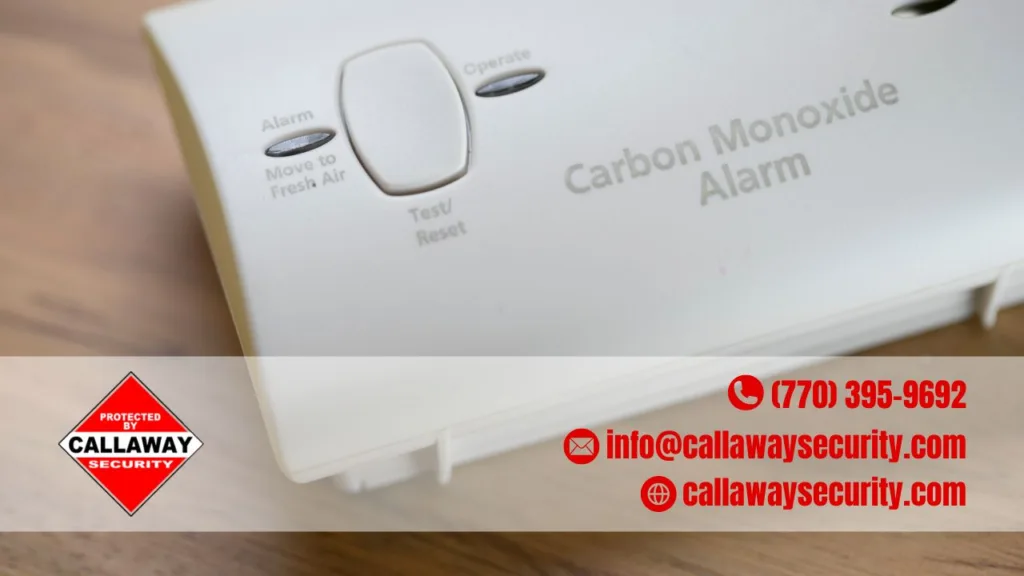
Carbon monoxide detectors work by pulling in air, checking it for CO gas, and sounding an alarm once the danger builds up over time. That’s the short answer. But there’s more to it, and knowing how these devices actually do their job helps us trust them and use them the right way.
We rely on carbon monoxide (CO) alarms because CO is a gas we can’t see, smell, or taste. It’s often called the “silent killer” for that exact reason. A detector is our early warning system when this gas starts to build up in a home. Below, we’ll walk through how these sensors catch CO, why the alarm doesn’t go off the second it senses gas, and what we can do to keep our detectors working the way they should.
Key Takeaways:
- CO detectors sample the air non-stop and track how much carbon monoxide is present.
- Most home units use an electrochemical sensor, which is the most common and reliable type.
- Other sensor types include metal oxide sensors and biomimetic sensors.
- Alarms respond to CO buildup over time, not a quick, tiny puff of gas.
- Placement, testing, and timely replacement matter just as much as owning a detector.

How Carbon Monoxide Detectors Sense Gas
A carbon monoxide detector senses gas by using a small internal sensor that reacts to CO molecules in the air. Once CO enters the sensor, a chemical or physical change happens inside it. That change gets turned into a signal, and the detector’s circuit board reads that signal to figure out the CO level in the room.
Electrochemical Sensors
Electrochemical sensors are the most widely used type in home CO alarms today. Here’s the simple version: CO gas drifts into a small chamber inside the sensor. Once inside, it reacts and creates a tiny electric current. The stronger the current, the higher the CO level. The detector’s electronics measure that current and translate it into a reading, usually shown in parts per million (ppm).
Metal Oxide Sensors
Metal oxide sensors work a bit differently. Instead of producing a current, they change their electrical resistance when CO touches the sensor surface. The detector tracks that resistance shift and uses it to estimate how much CO is in the air.
Biomimetic Sensors
Biomimetic sensors take their cue from biology, hence the name. These use a gel pad that changes color as it soaks up carbon monoxide. That color shift is what triggers the alarm. It’s a clever design because it mimics how CO affects hemoglobin in our blood, which is part of why CO exposure is so dangerous to people and pets in the first place.
| Sensor Type | How It Detects CO | Common Use |
|---|---|---|
| Electrochemical | Creates a small electric current | Most residential CO alarms |
| Metal oxide | Changes electrical resistance | Some plug-in and hardwired units |
| Biomimetic | Gel changes color as it absorbs CO | Older or specialty alarms |
If you want to see this in action, this walkthrough breaks down how smoke and carbon monoxide detectors are built and installed, which pairs nicely with everything we just covered.
Why the Alarm Doesn’t Go Off Right Away
CO alarms are built to respond to exposure over time, not a single brief whiff of gas, and there’s a good reason for that. Carbon monoxide poisoning doesn’t usually happen from one short burst of gas. It happens when a person breathes in low-to-moderate levels of CO over a stretch of time, and it slowly builds up in the bloodstream.
Because of that, detectors are designed to weigh both the concentration of CO and the length of exposure before sounding an alarm. This approach does two things for us:
- It cuts down on false alarms from small, harmless traces of CO.
- It matches how CO poisoning risk actually builds up in real life.
So, if your detector picks up a tiny spike for a few seconds, it likely won’t alarm. But if CO levels stay elevated, the alarm will sound, and it’s time to act fast.
What Makes a CO Detector Actually Work for Your Home
Owning a carbon monoxide detector is only half the job. Where we place it, how often we test it, and when we replace it all decide whether it protects us when it counts.
- Placement matters. CO detectors should sit near sleeping areas, since alerting us during sleep is critical.
- Testing matters. Most manufacturers recommend testing the alarm monthly using the test button.
- Replacement matters. CO sensors have a limited lifespan, often five to ten years, and need to be swapped out once that window closes.
A device that’s outdated, poorly placed, or untested won’t protect a household the way it’s meant to, even if the sensor technology inside it is solid.
FAQs About Carbon Monoxide Detectors
How long do carbon monoxide detectors last?
Most CO detectors last between five and ten years, depending on the manufacturer. Check the back of the unit or the manual for the exact expiration date, since the sensor weakens with age.
Where should I install a carbon monoxide detector?
We recommend installing one on every level of the home and near sleeping areas, since that’s when we’re least likely to notice symptoms on our own.
Can carbon monoxide detectors go off for no reason?
False alarms are rare but can happen from expired sensors, low batteries, or units placed too close to fuel-burning appliances like stoves or furnaces.
Do carbon monoxide detectors need batteries?
Some units run on batteries, others are hardwired with battery backup, and some plug into a wall outlet. Whichever type you have, it still needs regular testing.
What should I do if my CO alarm goes off?
Get everyone outside into fresh air right away, and call emergency services from outside the home. Don’t go back in until it’s confirmed safe.
Staying Safe Starts With a Working Detector
Understanding how carbon monoxide detectors work gives us a clearer picture of why these small devices matter so much in a home. From electrochemical sensors to biomimetic gel pads, each design exists to catch a gas we could never notice on our own, and to give us the time we need to get to safety.
A detector is only as good as its condition, placement, and maintenance. That’s where working with professionals pays off. Callaway Security & Sound can help set up reliable fire alarm systems for your home, backed by regular service and thorough inspections to keep everything running the way it should. Reach out to Callaway Security & Sound today and let’s get your home protected.